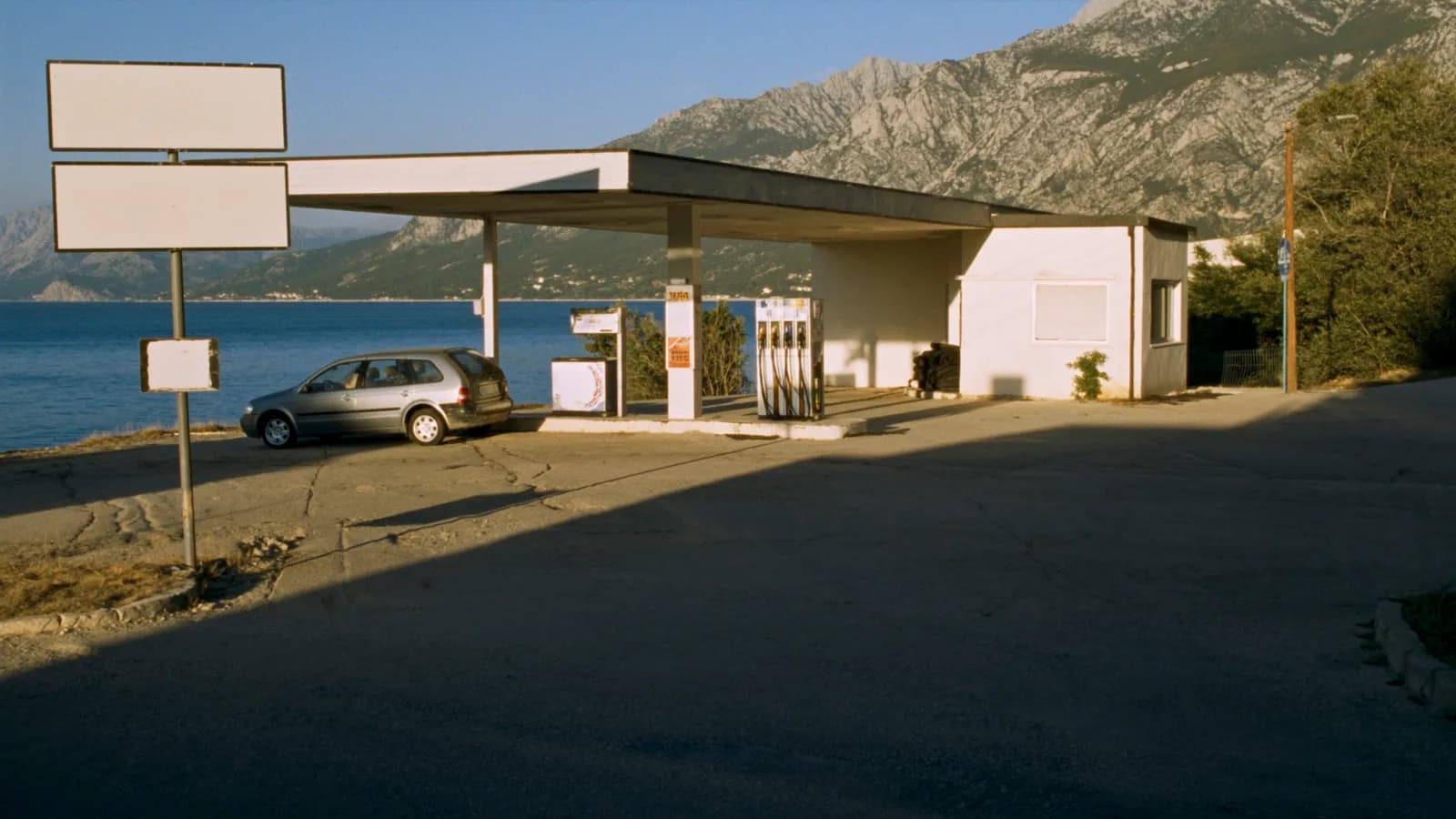
The first time most visitors pull into a Montenegrin petrol station, they do the thing everyone does at home: glance at the price board, wonder whether the next one down the road is cheaper, and drive on to check.
Save yourself the trouble. It will not be cheaper, and there is a reason for that which nobody explains to you at the airport.
How are fuel prices set in Montenegro?
Fuel prices in Montenegro are capped by the state. The Ministry of Energy and Mining publishes a maximum retail price for each fuel, and no petrol station in the country may charge above it. Some sell a cent or two below the cap. None can go over.
That single rule saves you a lot of driving around. The spread between the cheapest and most expensive station here is one or two cents a litre, not the ten or fifteen you might be chasing at home. It also means a lonely pump in Žabljak charges what a busy one in Budva charges, which is worth knowing before you head north.
The other half of the system is timing. Until March 2026 the price was recalculated every fortnight. The government then shortened the cycle, and prices are now recalculated weekly, with the new figure taking effect on Tuesday. Fill up on Monday evening and you may pay a different price than you would on Tuesday morning.
Excise duty has also been temporarily reduced to soften the swings, by half on diesel and a quarter on petrol.
What does fuel cost in Montenegro right now?
Because the price changes every week, no guide can tell you today's figure and stay honest for long. Here is where to look instead:
- The Ministry publishes each decision on gov.me, usually the day before it applies
- cijenagoriva.me and obracun.me both track the current cap
- Or send us a WhatsApp message. We buy fuel here every day and we will tell you what it costs this morning
For a sense of scale, the official maximum prices on 24 March 2026 were 1.52 euro a litre for Eurosuper 95, 1.56 for Eurosuper 98 and 1.57 for eurodiesel. Through the summer of 2026 they have run higher than that. If you are budgeting a route, working on somewhere between 1.60 and 1.85 a litre will not embarrass you, but check before you commit to a long day.
One exception: autogas is not covered by the price regulation at all. LPG is left to the market, so it genuinely does vary from station to station.
Which fuel does your rental car take?
Montenegrin pumps carry three fuels you are likely to want. Eurosuper 95 is ordinary unleaded and what most petrol cars drink. Eurosuper 98 is the higher octane, for engines that ask for it. Eurodizel is diesel, and it is what most of the country runs on.
Our own fleet leans the same way. Of the twenty cars we keep, ten are diesel, eight are hybrids and two are petrol. When you take the keys from us the fuel type is written on the tag, and we say it out loud at handover, because this is the one mistake on a whole holiday that is genuinely expensive.
Misfuelling is not covered by any insurance, ours included, and putting the wrong fuel in can cost more than the entire rental. If you are even slightly unsure standing at the pump, do not guess and do not let the attendant guess for you. Message us. It takes thirty seconds to answer.
Where can you refuel in Montenegro?
There are roughly 120 petrol stations in the country, which is generous for somewhere this size. EKO, the former state operator Jugopetrol and now Greek owned, runs the widest network at around 45 stations. Petrol, from Slovenia, has around 15. INA and Lukoil have about ten each, and then there is a long tail of domestic names such as Europetrol, Alba, Hifa and M Petrol.
Along the coast and on the Podgorica corridor you are never far from one. Most main road stations keep long hours through the season, and the larger ones on the Adriatic highway generally stay open late in July and August.
One small surprise for visitors: an attendant usually serves you rather than leaving you to it. Tell them the fuel and the amount, either in euros or in litres, and they handle the rest. A euro or two rounded up is a normal courtesy, not an expectation.
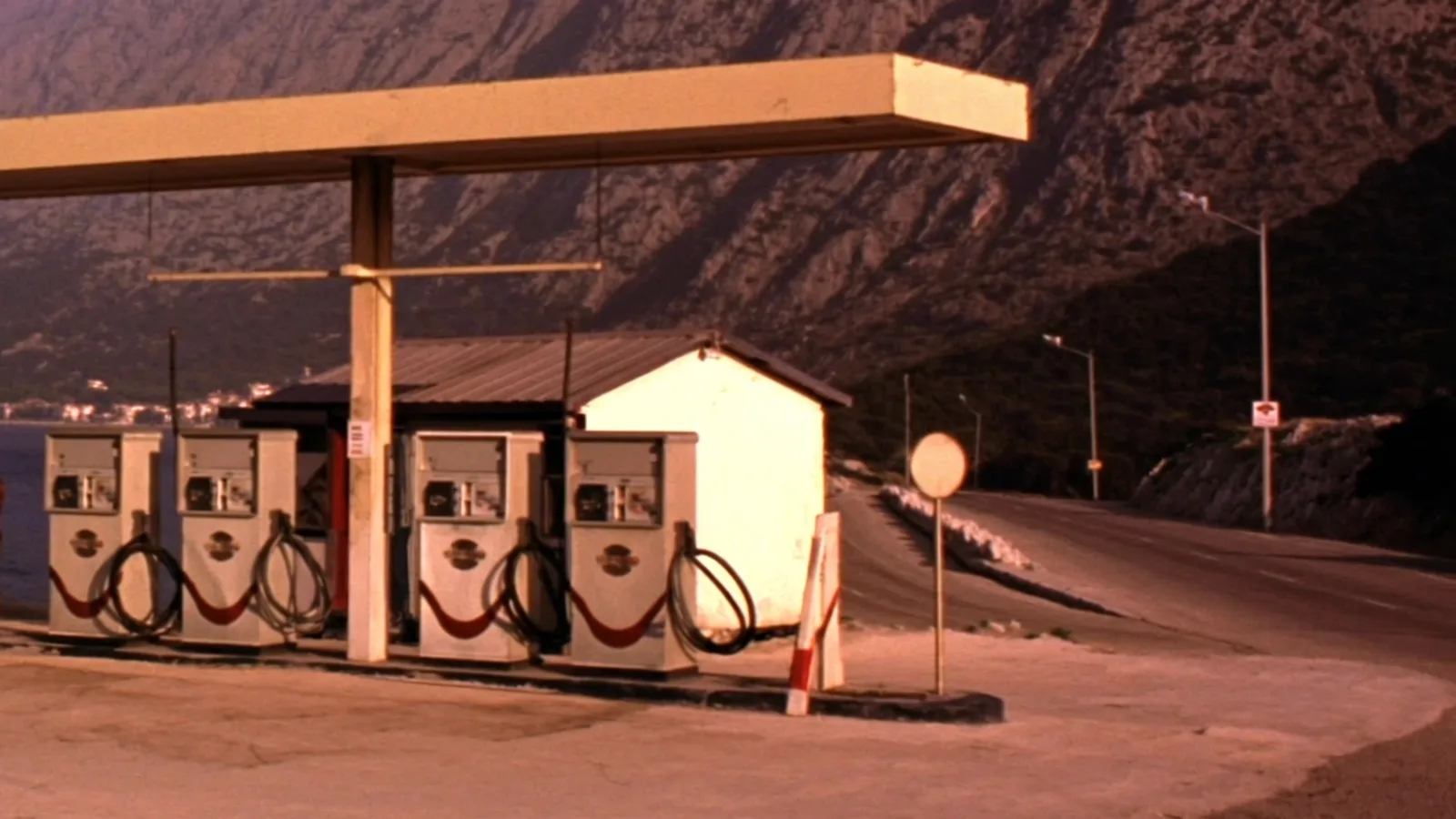
Where is the last petrol station before the mountains?
This is the part that catches people out, and the only bit of fuel planning genuinely worth doing before you set off.
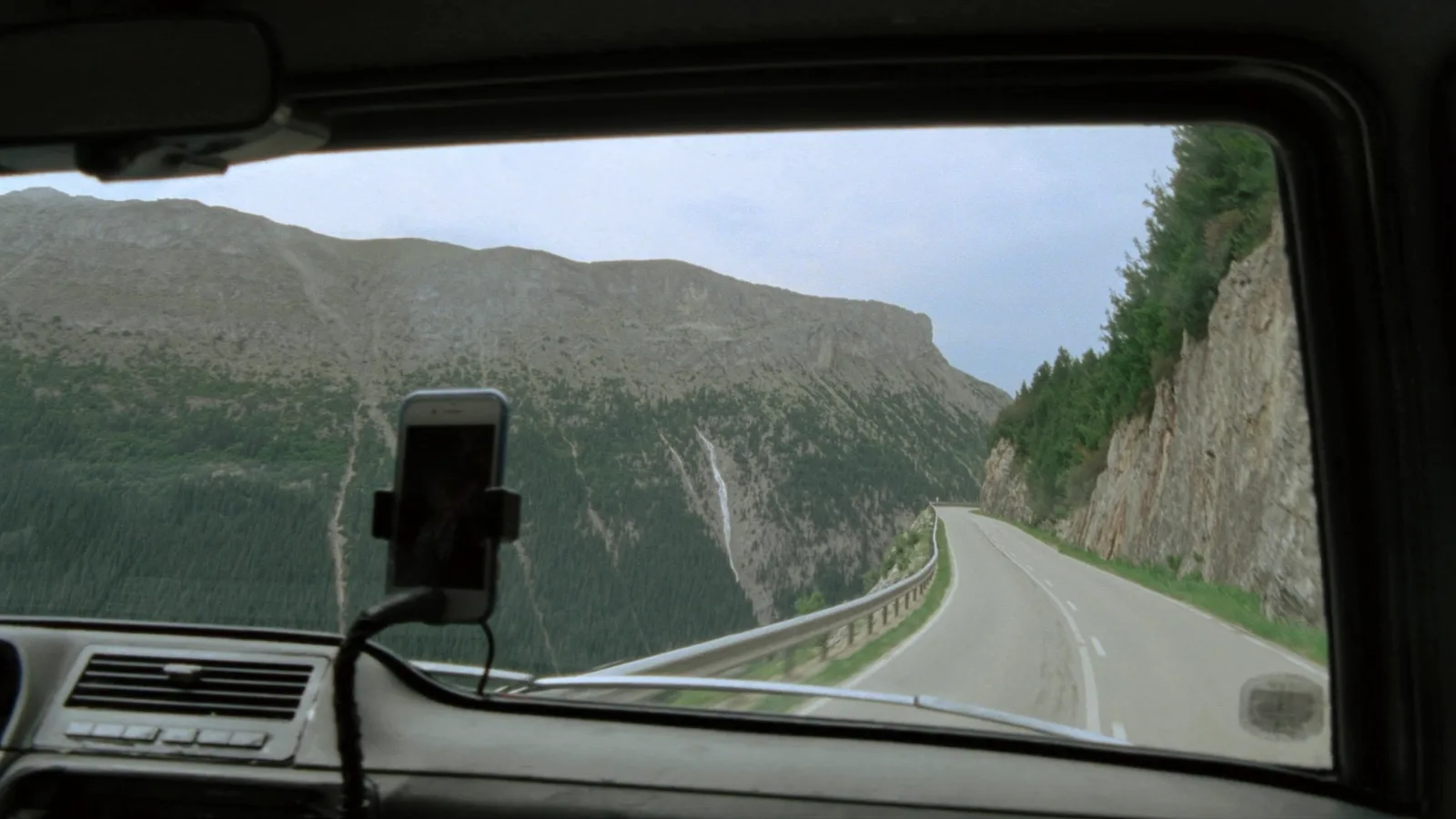
The coast and the central corridor are well covered. The north is not. Once you turn towards Durmitor, the Tara canyon or Prokletije, the gaps between stations get long, some of the smaller ones shut in the evening, and a few do not open at all outside the season.
The habit that solves it
Fill up as you leave the last proper town, not when the warning light comes on. Heading for the Black Lake and Žabljak, fill in Nikšić or Mojkovac. Bound for Durmitor itself or the Tara canyon, the same applies. On the way up to Lovćen there is nothing at all, and watching the gauge through twenty five hairpins is nobody's idea of a scenic drive.
The same thinking applies to coins. The Sozina tunnel between Podgorica and Bar carries a small toll of a few euros, and it is easier with change in the door pocket than with a card reader having an off day.
If you are travelling between November and March, the winter road conditions guide matters more than the fuel question does.
How much fuel will your trip actually use?
Less than you think on the coast, and more than you think going north.
Montenegro looks tiny on a map, but the roads bend, climb and slow you down, which is exactly what burns fuel. A mountain road taken at 40 km/h costs considerably more per kilometre than a motorway at 110. Our guide to driving distances between Montenegrin cities is the honest picture of how long these journeys really take.
The arithmetic is easy enough to do in your head. Distance, times consumption per 100 kilometres, divided by 100, times the price. A car doing 6 litres per 100 km, driven 300 km, at 1.70 a litre, comes to about 30 euros.
For a normal week on the coast, moving between Budva, Kotor, Sveti Stefan and whichever beach the wind favours that day, most of our small diesels do not finish a tank. A run north to Durmitor and back is a different budget entirely, because you spend hours climbing. It is also, for what it is worth, the best driving in the country, and the panoramic roads guide is where to start planning it.
If you want a firm number for a specific route, ask before you go. We know what our own cars actually drink on these roads, which is not always what the manufacturer claims.
Are hybrid cars worth it on Montenegrin roads?
More here than almost anywhere, and the terrain is the reason.
A hybrid saves fuel by recovering energy under braking and by running on electricity at low speed. Montenegro serves up both constantly: the long descent off Lovćen, the stop and start along the Budva riviera in August, the crawl into Kotor when three cruise ships are in. That is close to the ideal case. A flat motorway, where a hybrid has nothing to recover, is the opposite.
Eight of our twenty cars are hybrids, which is why we suggest one to guests planning a lot of coastal driving in high season. Over a week of mixed town and coast the difference against an equivalent petrol car is real money. If you are still deciding on the car itself, our note on automatic versus manual on these roads covers the other half of that choice.
Can you charge an electric car in Montenegro?
Yes, but plan it, and do not assume the coverage you are used to further west.
Montenegro has roughly 40 public charging locations, concentrated in the larger towns and along the busy routes. Podgorica, Budva, Bar and Ulcinj are the best served. The north is thin.
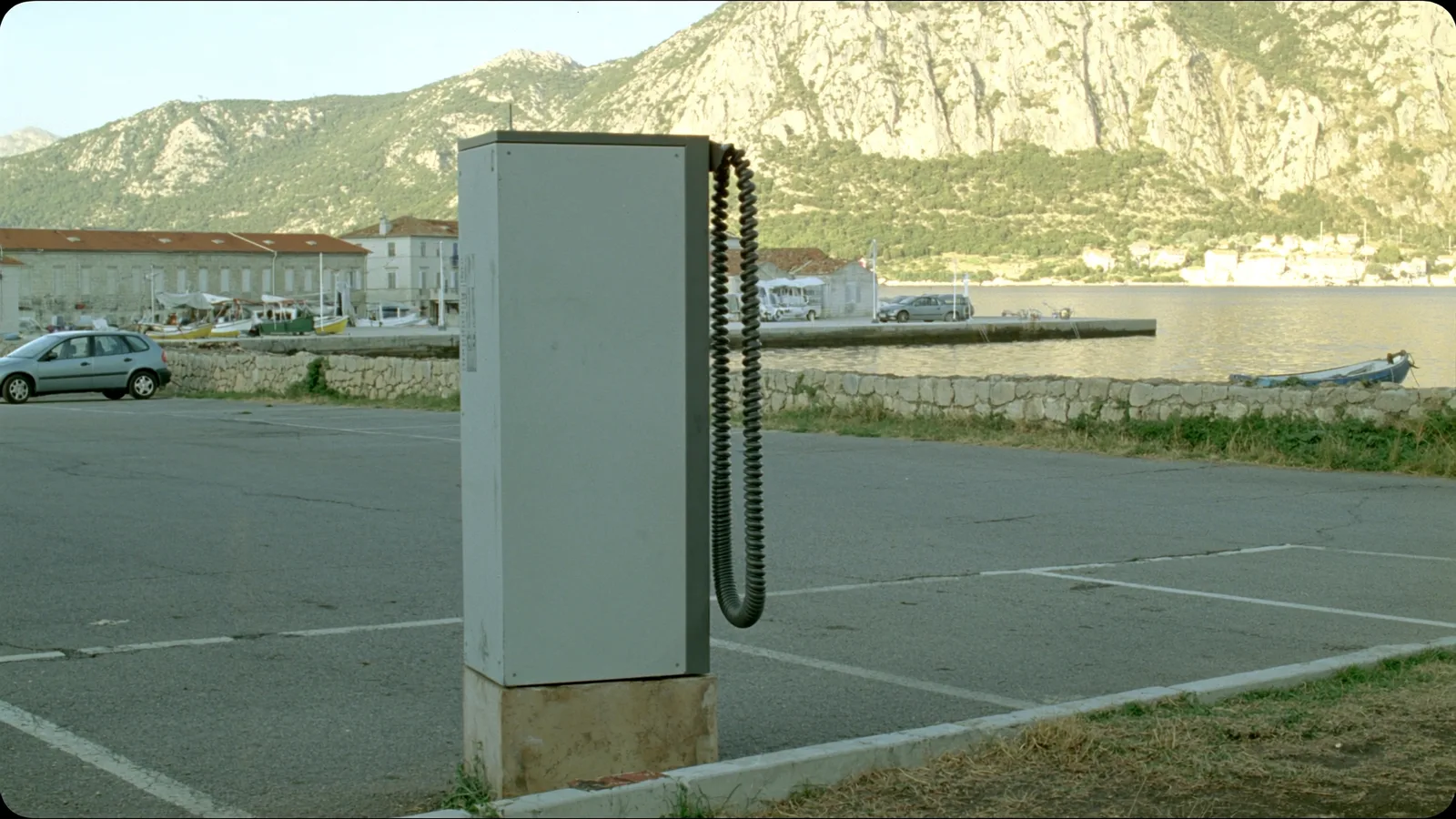
What to know before you arrive:
- EVC Charge is the main app. You start the session from your phone, with no separate card or membership
- Expect around 0.35 euro per kWh, with the possibility of seasonal adjustment at the height of summer
- Most units are AC and slow enough that you are really charging while you do something else. Fast DC chargers exist, including a 200 kW unit at Pelev Brijeg, but they are the exception rather than the rule
- Montenegro does not yet have an ultra fast network by EU standards. It is improving. It is not there today
Checking a charger before you drive to it
For live locations, and for whether a charger is actually working this afternoon, PlugShare and Electromaps beat any static list, this one included. Check the map the evening before a long day rather than at 15 percent on a mountain road.
We do not run electric cars ourselves yet. Our hybrids are the nearest thing, and on this terrain they ask nothing of you at all.
Do petrol stations in Montenegro take cards?
Nearly all of them, and in the towns you can pay by card without a second thought.
Keep some cash in the car anyway. Terminals at small rural stations occasionally drop out at the height of the season when the networks are loaded, and the Sozina toll is simply easier with coins. Twenty or thirty euros in the glovebox makes the whole question go away.
What if you run out of fuel in a rental car?
Call us first, on +382 69 600 888. We are local, we will work out where you are, and we will bring fuel to you. It is a nuisance rather than a disaster, and it is precisely the sort of thing we would rather handle ourselves than have you negotiating with a stranger on the hard shoulder.
That number is the right one for anything else on the road too. Our guide to accidents and breakdowns walks through the rest, and the traffic rules and fines are worth ten minutes before your first drive.
The short version
Check today's price on gov.me or ask us, because it moves every Tuesday. Know which fuel your car takes and never guess at the pump. Fill up before the mountains rather than during them.
That is genuinely the whole of it. Everything else is just driving, and around here the driving is the part you came for.
Exploring Montenegro by car?
Rent a reliable car with free CASCO, unlimited mileage, and delivery to your location.