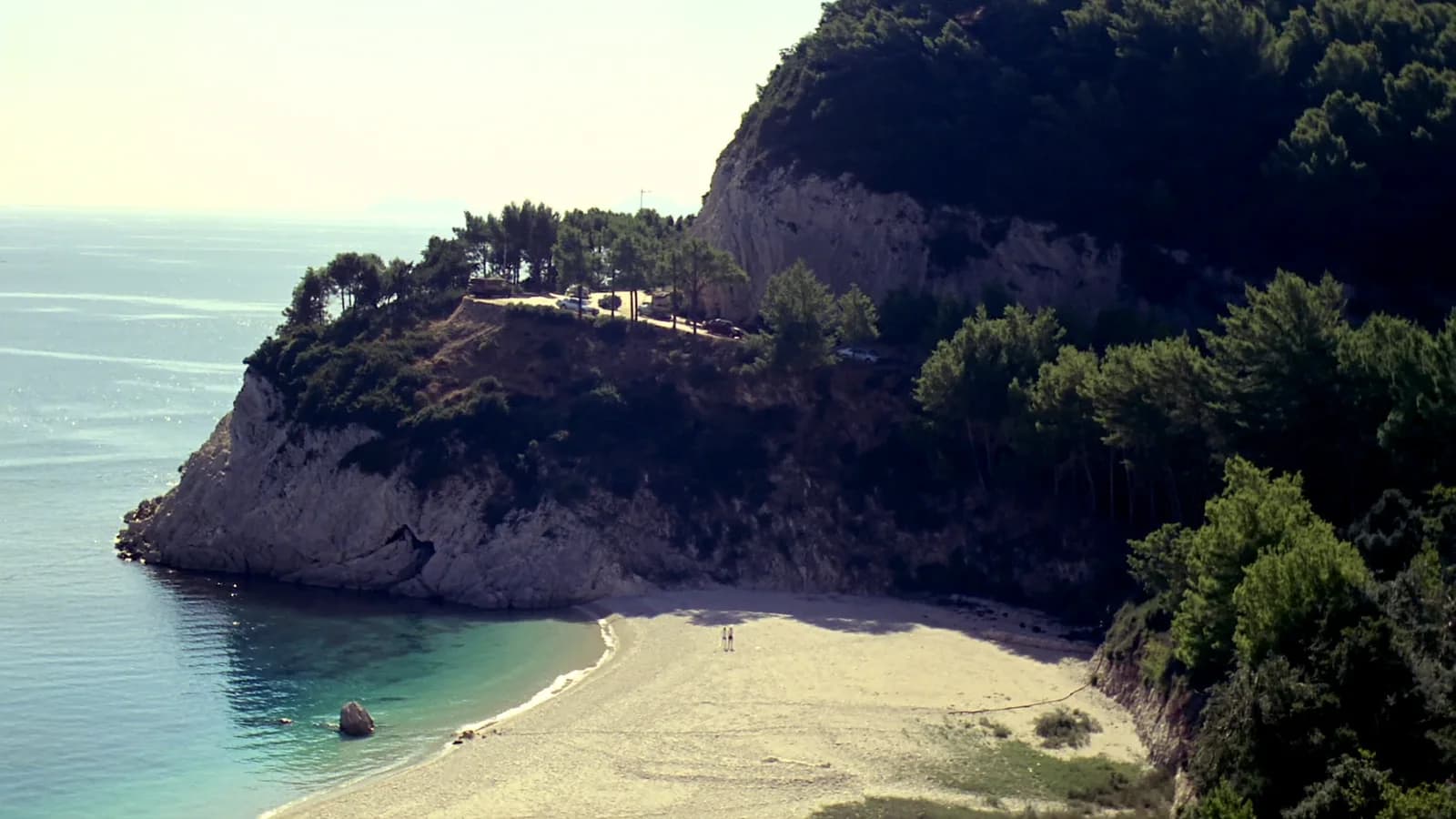
On the first of September the sea off Budva is 24 degrees. That is warmer than it was in June, when everyone was posting photographs of it.
The difference is that half the people have gone home. That gap, between water that has not cooled and a coast that has emptied, is the whole argument for September, and it is worth understanding properly, because the month is not one thing.
What is the weather like in Montenegro in September?
Warm, but on a slope. September starts as summer and finishes as autumn, and the numbers move noticeably from one end of it to the other.
| Budva | 1 September | 30 September |
|---|---|---|
| Daytime high | 27.8 °C | 23.9 °C |
| Night | 17.2 °C | 13.9 °C |
| Sea | 24.4 °C | 22.2 °C |
| Daylight | 13h 09m | 11h 48m |
| Chance of rain | 18% | 29% |
Up in the mountains
Go north and it is a different country on the same day. Around Žabljak and Durmitor the highs run from about 19 °C early in the month down to 14 °C by the end, and nights sit near 8 °C throughout.
That spread is the point, and we come back to it below. For the full year, our guide to Montenegro's climate zones has the month-by-month picture.
Is the sea still warm enough to swim in September?
Yes, comfortably, and for longer than most people expect.
The Adriatic holds its heat. It reaches its peak in late August and then lets go slowly, so early September water is barely distinguishable from high summer, and even the last days of the month sit above 22 °C. For context, most people happily swim in the Mediterranean from about 21 °C.
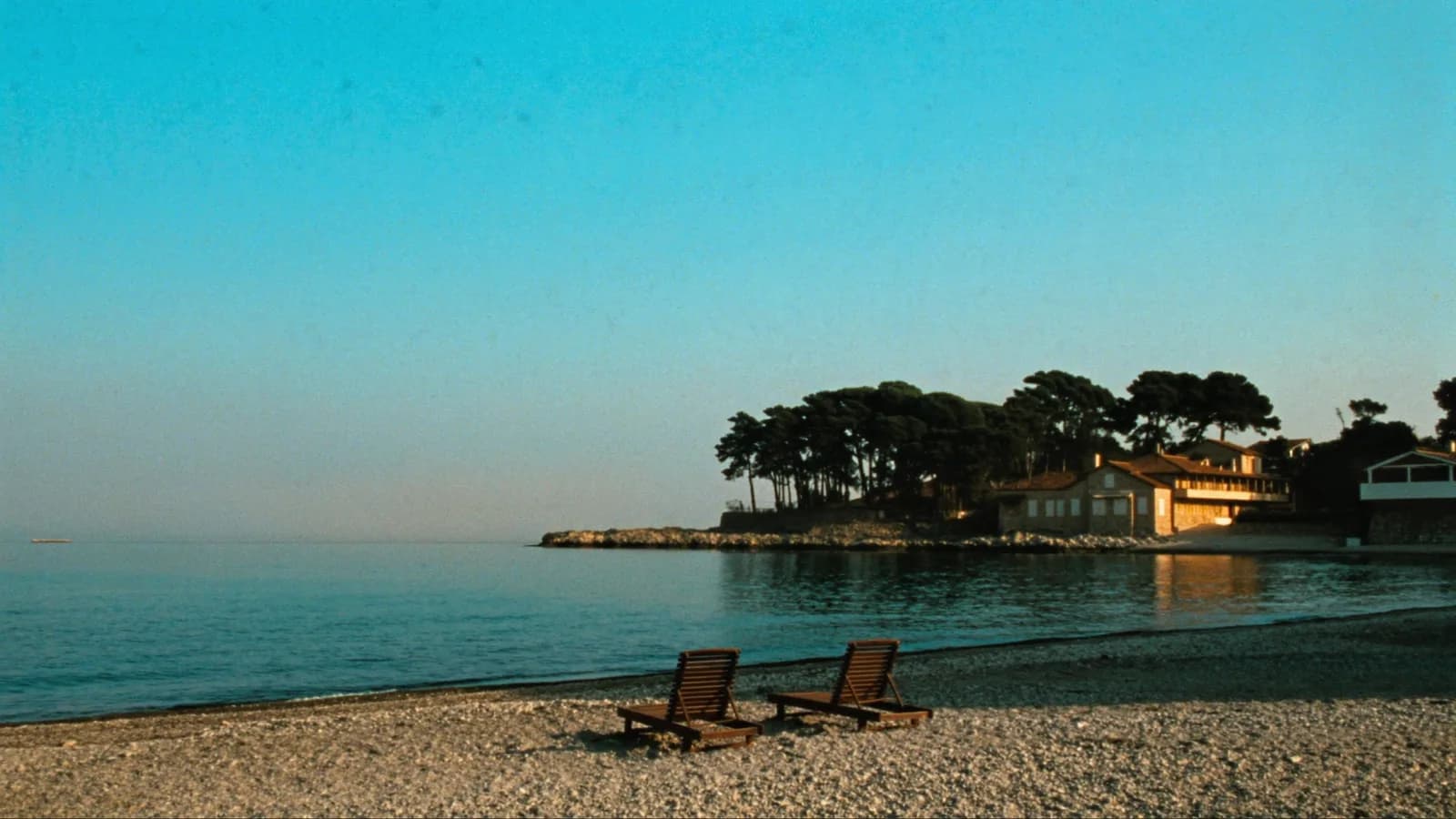
In practice you can swim through the whole of September without thinking about it. The thing that ends the beach season here is not water temperature but the beach clubs packing up their loungers, and that starts in the last week.
Should you come in early September or late September?
This is the question that actually matters, and almost nobody separates the two.
The first week is still August in every way that costs money. Prices sit near their peak, Kotor fills up whenever the cruise ships are in, and the good spots on the beach still reward an early start. In exchange the sea is at its warmest and the weather at its most reliable, so if that is what you are buying it is a fair trade.
Then, somewhere around the tenth, the whole thing changes character. Accommodation drops by roughly a quarter to a third against the August peak and the crowds thin out fast, so you can take a sun lounger without claiming it at nine in the morning and get a table without booking ahead. If you are driving, the emptying roads are the biggest change of all, and the one you notice within an hour of landing.
The last week is quieter again, and slightly diminished with it. Smaller beach bars and rental huts start shutting up for the season, and while the restaurants stay open and the towns carry on as normal, a stretch of coast that felt fully staffed at the start of the month feels sleepy by the end of it.
If you want one recommendation, aim for the middle two weeks. You keep nearly all of the weather and lose nearly all of the crowd.
Who should visit Montenegro in September?
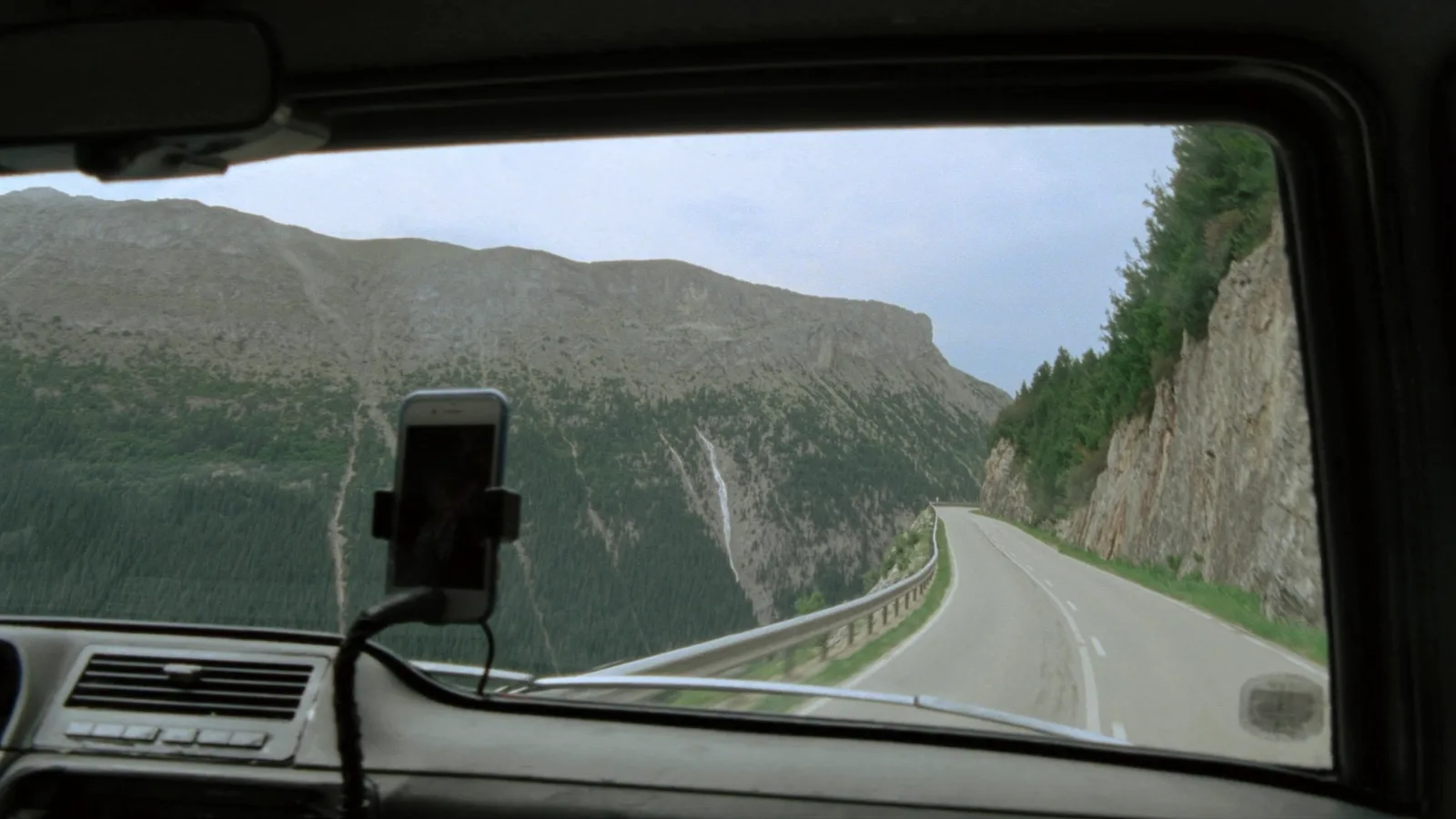
Anyone arriving with a car, first of all. In August the coastal road between Herceg Novi and Budva is a slow-moving queue and parking in Kotor is a competitive sport; by the middle of September both problems simply dissolve. The panoramic roads that everyone photographs are genuinely enjoyable now rather than something to be endured, and the drive up to Lovćen stops being a queue of hire cars in first gear.
It is also the month for couples and for anyone whose life is not organised around a school calendar. The schools go back and the beaches change character within about a week, which is the entire reason the prices fall. Our round-up of quieter places for two is at its best in exactly this window.
Walkers do well too, and for a reason that has nothing to do with crowds. High summer in the Montenegrin mountains brings afternoon thunderstorms that build out of a clear morning; that risk drops away from mid-September, and the light gets better as the month goes on. Swimmers get the sandy beaches that were shoulder to shoulder in August with room to spread out.
And then there is the money. A quarter to a third off accommodation is real on a week away, and in practice it does not mean the same room for less. It means a better room, or a few more days.
Who should not come in September?
Worth saying plainly, because a month that suits most people does not suit everyone.
Families tied to school holidays are the obvious case, and there is no way around it; it is also precisely why September is quiet. Anyone here for the nightlife should think about timing, because Budva's club season winds down along with the crowds. The first week still has it. By the last week you are looking at bars rather than beach clubs.
If your plan depends on one specific thing, a particular beach bar or a boat trip you read about, check it is still running before you build a day around it, especially towards the end of the month. And if you need guaranteed sunshine, be aware that the chance of a wet day climbs from 18 percent to 29 across September. That is still mostly dry, but it is not the near-certainty of late July.
What trip works in September and no other month?
The coast and the mountains in the same week.
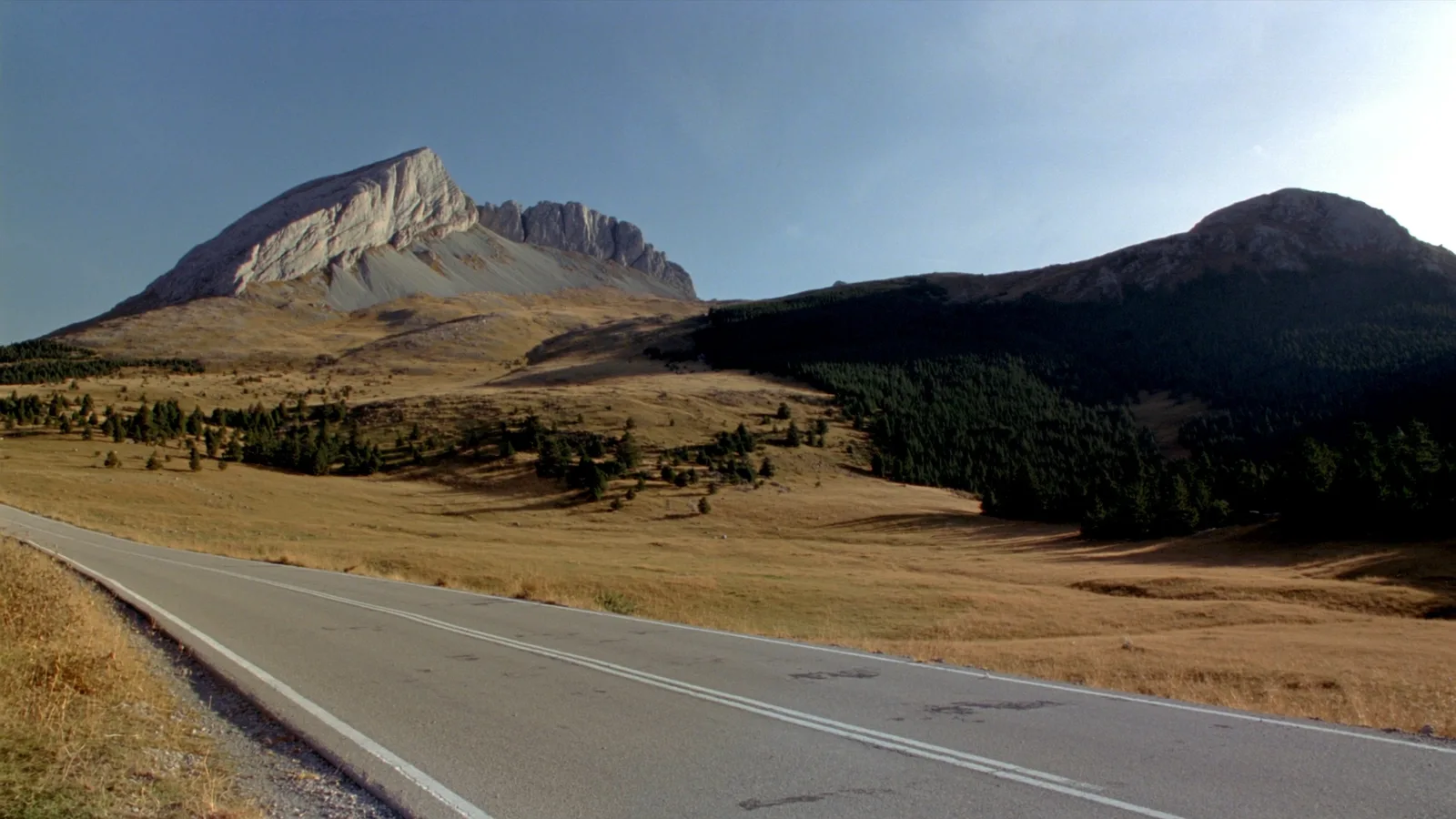
In August the coast is hot and full, and the interior is punishing. By late October the sea has cooled and the high passes are turning. September is the narrow window where both halves of the country are at their best simultaneously, and the only sensible way to use it is with a car.
A week that works, and that we suggest constantly at this time of year:
Give the coast three days, swimming in water that is still at 24 degrees and saving Kotor for the evening, once the cruise passengers have gone back to the ship. Then take two days north to Durmitor and the Black Lake, where the air sits at 19 degrees and the summer crowds have long gone. Finish with a day around Lake Skadar, which is at its best in early autumn and where the wineries will be in the middle of the harvest.
Distances are short but the roads are slow, so plan by time rather than kilometres. Our driving distances guide has the honest numbers.
What is happening in Montenegro in September?
The vineyards, mostly. September is harvest, and it is the one month when the wine country around Lake Skadar and Podgorica is doing something rather than waiting for you.
Small producers open up for tastings during the picking, and Vranac, the country's big red, and Krstač, the white you will not find outside Montenegro, are both worth an afternoon. Virpazar holds a harvest festival, and there is a wine festival in Podgorica at the tail of the month. Dates move every year, so check before you build a day around one.
Kotor runs its children's theatre festival in the first half of September, which turns the old town squares into stages and is more charming than it sounds even if you have no children with you.
What should you pack for September in Montenegro?
Pack for two climates, because you will be in both.
On the coast
The coast wants what August wanted: swimwear, shorts, something for a warm evening. Add a light jacket for the second half of the month, when the sun goes down earlier and the evenings cool off faster than you expect.
If you are going north
Add a proper layer, and mean it. Eight degrees at night in Žabljak is not a rumour, and people arrive there in September dressed for the beach they left three hours earlier.
Sensible shoes if you plan to walk anything. And do not bother with an umbrella; a light waterproof is more use on a coast with wind.
So is September a good time to visit Montenegro?
For most people, it is the best time.
You get water that is still summer, roads that have emptied, prices that have dropped by a quarter, and the only real window in the year to see the coast and the mountains at their best in the same trip. What you give up is the certainty of a July sky and the full swing of the nightlife.
If you are driving it, the middle two weeks are the sweet spot. Pick those, take the long road over Lovćen at least once, and you will wonder why anyone comes in August.
Exploring Montenegro by car?
Rent a reliable car with free CASCO, unlimited mileage, and delivery to your location.