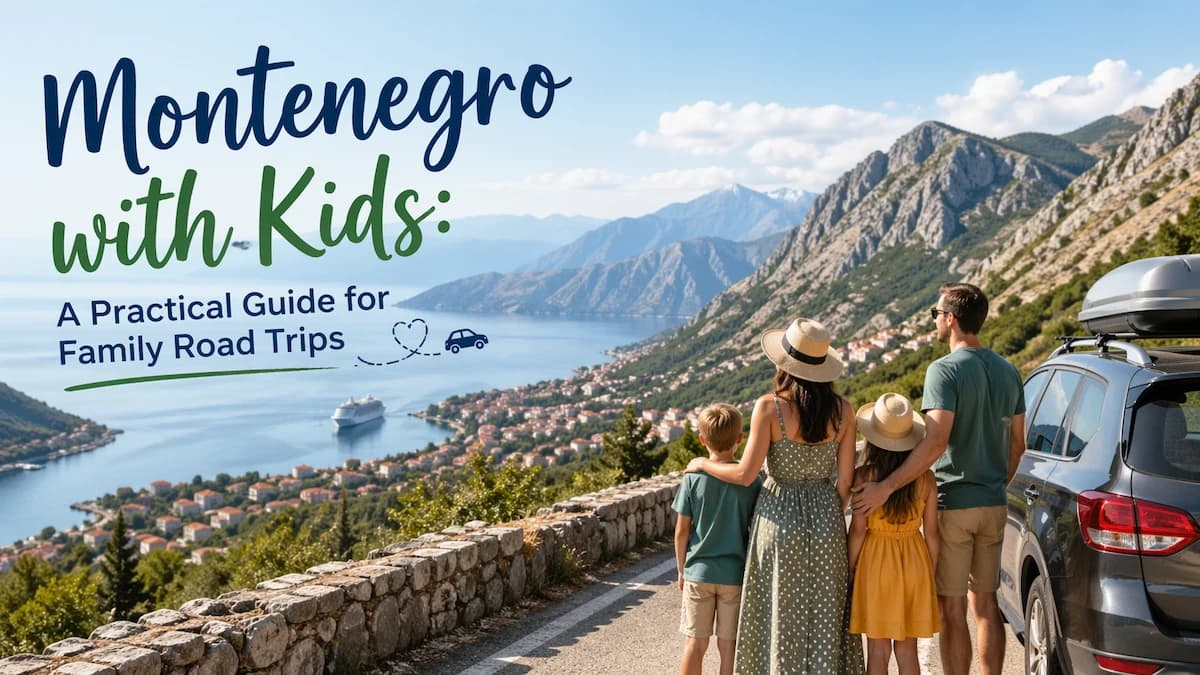
So you're thinking about bringing the kids to Montenegro this summer. Good call. The questions will come fast. Will they actually like it? How rough is the drive with a toddler losing it in the back? Are the beaches safe? Can we get through a meal without chaos? We get asked this stuff every week at our office in Bečići, and the short answer is, you're going to be fine. Probably better than fine.
Montenegro is one of the easiest family destinations in Europe right now. It's tiny, the locals adore kids, and in a single week you can show yours mountains, medieval walls, turquoise bays, and beaches calm enough for a three-year-old to paddle in. No internal flights, no ferry schedules, no logistical headaches.
Why Montenegro works for families?
The first thing that surprises people is just how small the country is. You can drive from the northern mountains to the southern coast in about three hours, which means your holiday never has to be just one thing. Beach in the morning, pizza in a medieval square by sunset. Kids don't get bored because the scenery keeps changing every forty minutes.
The second thing is the warmth. Waiters pinch cheeks, shopkeepers hand out lollipops unprompted, and strangers will fuss over your baby while you catch your breath. It takes a little getting used to if you come from a more reserved culture, but it makes daily life with small kids so much easier.
And the prices help. A family meal at a good local spot runs €40 to €60, ice cream is a euro a scoop, and a beach day won't wreck your budget. If you've been priced out of Croatia recently, you'll feel it the moment you cross the border.
Before you book…
When to come? June and early September are the sweet spots. July and August get seriously hot, often above 32°C, which is brutal with small kids. If you're locked into school holidays, do beach in the morning and shade in the afternoon. Our weather guide breaks it down region by region.
Getting here: Tivat and Podgorica are the two international airports, both small and stroller-friendly. Tivat is twenty minutes from Kotor and thirty from Budva, so for the coast it's the obvious choice. Plenty of families also fly into Dubrovnik and drive across the border in about an hour. If you're curious about the airline side, we wrote about Air Montenegro and how to get to Tivat.
The basics: Montenegro uses the euro. Tap water is safe everywhere. Every town has a pharmacy and pharmacists usually speak basic English. Children's paracetamol and ibuprofen syrups are easy to find. For anything more serious, save our emergency contacts guide on your phone before you come.
You really do need a car!
Honestly, public transport here isn't built for families. Buses exist, they're cheap, they go between the big towns, but with kids, car seats, beach bags, and a stroller, you'll have a much better time with your own wheels. Taxis are fine for the odd trip, but good luck flagging one with a toddler on a hot August afternoon. Not the holiday memory you're after. Our full comparison is in public transport vs taxi vs rent-a-car.
With a car you get the freedom that makes Montenegro fun. You leave the beach when the kids are done, not when the bus says so. You pull over for burek when the smell hits you. You take the scenic road home when the mood's right.
The child seat rules
Here's what you need to know. Children under five must be in a proper child seat. Children under twelve can't sit in the front. These rules apply to everyone, and yes, the police actually check during summer.
When you book with us, just tell us the ages and weights and we'll have the right seat fitted. Infant, toddler, booster, it's all waiting when you land. Bringing your own is fine too if you prefer what you already know.
Small tip from experience. On hot days, throw a light towel over the car seat before you head off to lunch. Black surfaces become hot plates in fifteen minutes and nobody wants to buckle a crying toddler into a seat that's basically on fire.
What driving here is actually like
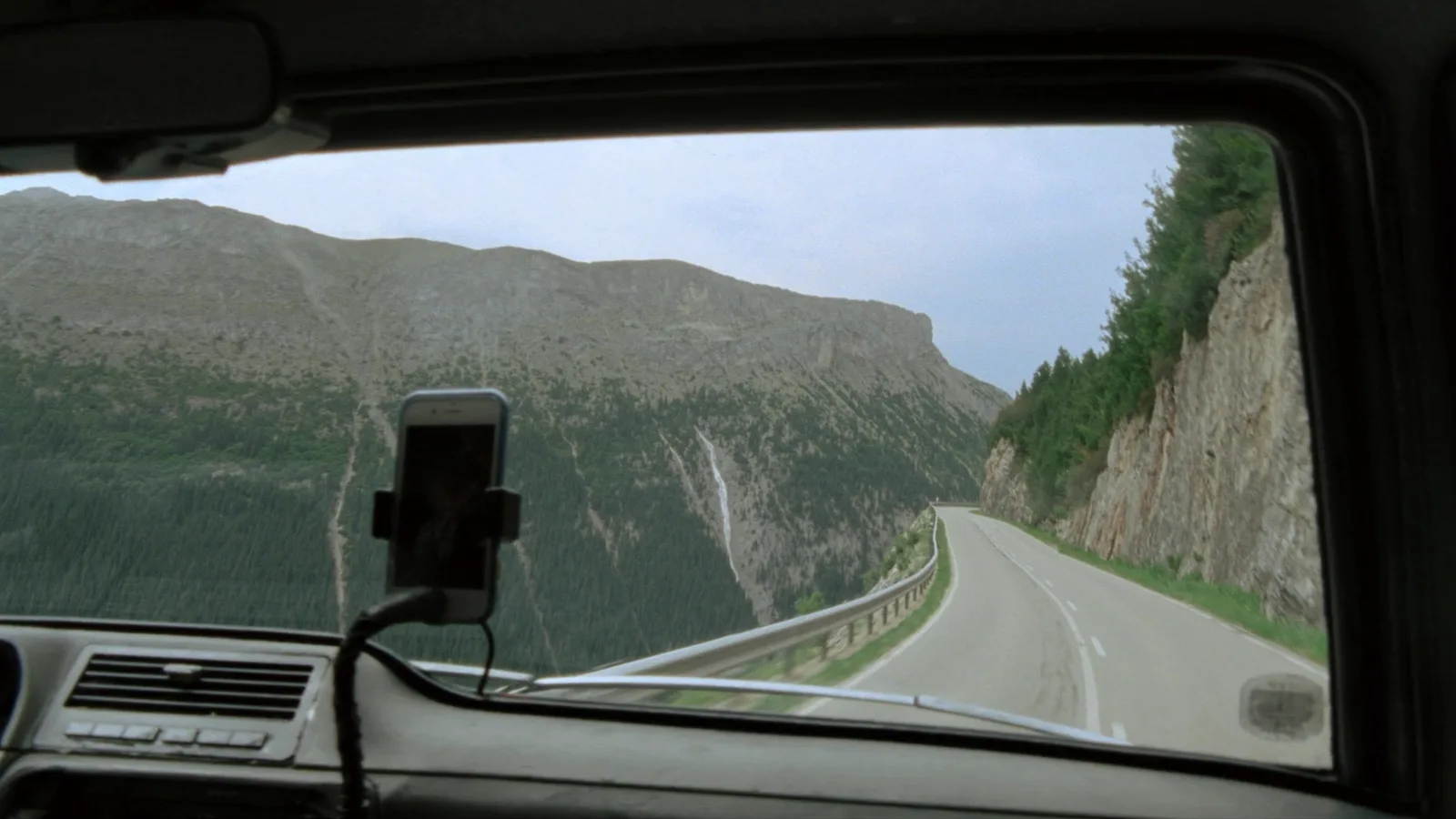
The roads are an experience. Motorways barely exist, so most of your driving is on two-lane roads that either hug the coast or wind through the mountains. It's beautiful, it's memorable, and occasionally it's a bit nerve-wracking. The serpentine from Kotor up to Lovćen has 25 hairpin turns, so keep ginger sweets or plain crackers in the glovebox for motion sickness. And the coastal road between Budva and Herceg Novi gets clogged between noon and 3 p.m. when everyone's heading to or from the beach. Leave early or leave late. Your life gets easier.
More in our guides on driving in Montenegro and traffic rules and fines.
Where to base yourselves?
Pick one base. Do day trips from there. Hotel-hopping with kids is exhausting and Montenegro is small enough that you don't need to.
Bečići and Budva: The most practical family base on the coast. Long gentle beach, tons of apartments with kitchens, plenty of restaurants and playgrounds, and everything else within an hour's drive. Our office is here, so yes, we're biased, but it really is the easiest setup.
Petrovac: Smaller and quieter. Calm beach, stroller-friendly promenade, walkable even with tired little legs. Great if you want a slower pace.
Tivat: Clean, modern, and home to Porto Montenegro with its wide promenades and good ice cream. Feels safer and more manageable than busier spots, and the airport is ten minutes away.
Kotor Old Town: Romantic, but think twice with little ones. The cobblestones are brutal for strollers, summer cruise crowds are intense, and apartments inside the walls are tight. If your kids are over six or seven, a night or two in there is magical. More in our guides on what to do in Kotor and what to visit.
Herceg Novi: A quieter alternative to Budva, with a long seaside promenade and easy access to the Luštica Peninsula beaches. We wrote about it as the underrated gateway to Montenegro.
The best beaches for kids in Montenegro
Not all Montenegrin beaches are created equal when you've got small ones.
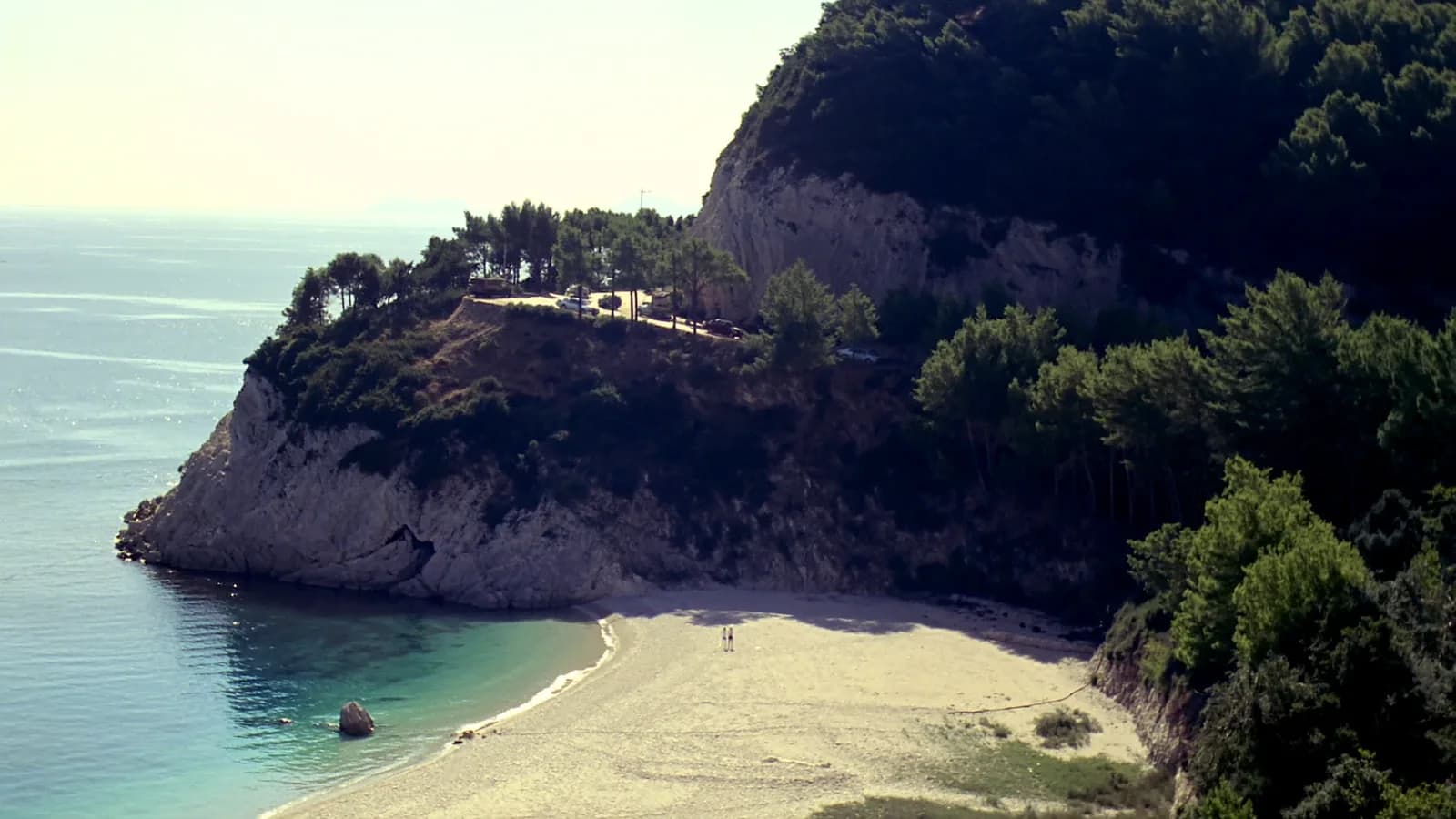
Plavi Horizonti (Blue Horizons) on the Luštica Peninsula is the gold standard. Sandy, shallow, sheltered, pine trees for shade. Worth every minute of the thirty-minute drive from Tivat.
Bečići is one of the longest beaches on the coast with a gentle slope into the water, lifeguards, playgrounds, and a Blue Flag rating. Easy, reliable, no drama.
Jaz Beach, ten minutes west of Budva, has sandy stretches and plenty of space. Never feels crowded even in July. Here's how to get there.
Petrovac town beach and Lučica are small, sheltered, and calm. Lučica especially feels like a secret, even in peak season.
Velika Plaža in Ulcinj is 12 kilometers of sand with water that stays shallow forever. Afternoon wind can blow sand into your sandwiches, but kids love the space to run.
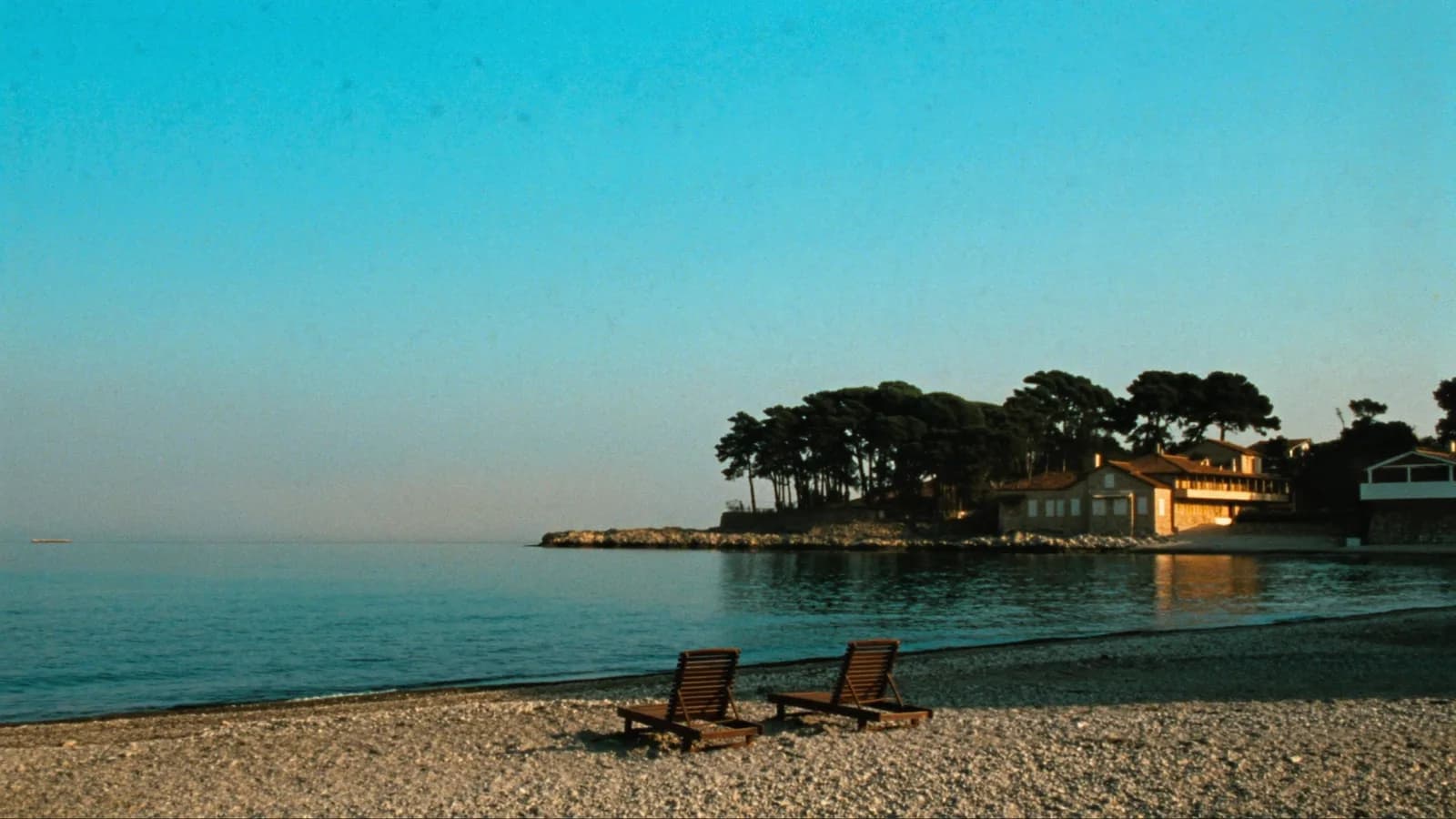
One quick thing. Most Montenegrin beaches are pebbly, not sandy, so cheap aqua socks for everyone will save a lot of tears. Sea urchins exist on the rocky entries too. For the full breakdown, see our article on sandy beaches in Montenegro.
Activities kids actually love
Beyond the beach, there's a surprising amount going on.
Aquapark Budva is the biggest water park in the country with over fifty children's attractions. Adult tickets are around €29, kids under 1.4 meters are €20, under-threes get in free. Go on a weekday and arrive early for the good shaded spots.
The boat trip to Our Lady of the Rocks from Perast is a short ride to a tiny island church that local sailors built stone by stone over centuries. The boat ride itself is half the fun for kids. More in our Perast guide.
Lipa Cave near Cetinje is Montenegro's only show cave open to the public. The one-hour guided tour stays at a cool 10°C year-round, so bring a light jacket. Kids love the underground passages. Suitable from around four years old.
Adventure Park Lovćen is a treetop rope course inside Lovćen National Park, with difficulty levels starting from age three. Teens will happily spend half a day up there.
Skadar Lake boat tours from Virpazar last one to three hours and include swimming stops in hidden lagoons. The lake is home to over 280 bird species, pelicans included. Pick an early morning trip before the heat kicks in. More in our Lake Skadar guide.
Black Lake in Durmitor is a gentle three-kilometer loop for kids who can handle a bit of walking. The drive up through the Morača Canyon is an adventure on its own. See our Durmitor article for the full picture, or our five national parks overview if you want to see what else is out there.
What kids will eat?
Montenegrin food is wonderfully kid-friendly without even trying. Ćevapi are small grilled meat sausages served with flatbread and fries, basically the Balkan answer to chicken nuggets and kids devour them. Pizza is everywhere and excellent, usually €7 to €10 for a large pie. Burek is a flaky pastry filled with meat or cheese, €1.50 to €2.50 from any bakery, and it's the perfect road-trip breakfast. Pasta with simple sauces is on every menu. Fresh grilled fish costs a fraction of Italian prices. And palačinke, the local crepes with Nutella or jam, are on every beach promenade.
Most places have high chairs. Smarter spots in Tivat and Budva have proper kids' menus, and smaller konobas will just make something simple off-menu if you ask. Don't be shy about it, they're used to it.
A sample Week
If you've got seven days and no fixed plan, here's roughly how we'd shape it for a family with kids aged four to ten.
Day 1, arrive, pick up the car, get to your base, easy beach afternoon, early night. Jet lag is real. Day 2, full beach day, let everyone acclimatize to the heat. Day 3, Kotor and Perast, walk the Old Town before it gets too hot, boat trip after lunch, late swim back home. Day 4, Aquapark Budva all day, everyone sleeps well that night. Day 5, Luštica Peninsula, morning at Plavi Horizonti, lunch at a konoba, slow afternoon. Day 6, Skadar Lake boat tour in the morning, Cetinje and Lipa Cave on the way back. Day 7, one last beach day, souvenirs, pack, head home.
Swap Day 6 for Durmitor and Black Lake if your kids are older and up for more driving.
Small things that make a big difference
Pack high-SPF sunscreen and reapply often, the Mediterranean sun doesn't mess around. Water shoes for everyone. A small first aid kit with plasters, antiseptic cream, children's paracetamol, and motion sickness tablets, just so you're not hunting for a pharmacy on your first evening. Download offline maps before you come, mountain roads can drop signal without warning. And learn a few words of the local language. "Dobar dan" (good day), "hvala" (thank you), and "molim" (please) go a long way, and locals light up when foreign kids try them out. Our piece on essential Montenegrin phrases has the rest.
And most importantly, build in quiet days. The temptation is to cram every day with something, but kids and parents both need the downtime. A lazy morning at the apartment and a late afternoon swim is often the best day of the trip.
One last thing:
Families often tell us at the end of their holiday that what surprised them most about Montenegro wasn't the scenery or the food. It was how relaxed they felt. Everything is close, everyone's friendly, the pace is slower, and the kids get the kind of freedom that modern parenting often makes feel impossible at home. You can let them run around a medieval square without worrying. You can sit down for a long dinner while they chase each other around the table and nobody minds. You can take a spontaneous detour and still be back in time for sunset.
That's why families keep coming back. If it sounds like your kind of holiday, come see us when you land. We'll have the child seats fitted, the insurance sorted, and a proper welcome ready.
Summer's close. Montenegro's ready. See you in Bečići.
Exploring Montenegro by car?
Rent a reliable car with free CASCO, unlimited mileage, and delivery to your location.