Montenegro looks small on the map. People glance at it, see that the whole country fits inside a rectangle roughly the size of Connecticut, and assume that getting between the major destinations is going to be quick. Then they actually try it.
The 22 km drive between Kotor and Budva is sometimes 25 minutes, sometimes an hour and a half. The road from Podgorica to Žabljak is technically 125 km, but you should plan on closer to two and a half hours. A 70 km coastal route can take longer than a 130 km mountain route, and the answer to: what’s the fastest way, depends on the time of year, the time of day, and which tunnels and ferries you’re willing to use.
This guide is the answer to all of that, written from the perspective of people who drive these roads every week. You’ll find a master distance table covering every city worth knowing, dedicated sections for both airports, honest summer traffic estimates, and a breakdown of when the longer route is actually the faster one. If you’ve already booked a rental car and you’re trying to plan your route, this is the page you want open.
How to Read a Distance Chart in Montenegro (And Why Google Maps Lies in Summer)
Before any of the tables make sense, you need to understand one thing: Montenegro essentially runs two parallel road networks depending on the season.
In May and October, the country is calm. Roads are mostly empty, drive times match what your GPS predicts, and a 30-minute estimate from Google Maps is genuinely 30 minutes. From mid-June through the end of August, especially on the coastal corridor between Herceg Novi and Bar, that same 30-minute estimate can stretch to an hour or more. Google Maps and Apple Maps both underestimate Montenegrin summer traffic by 30 to 50 percent because the data they pull doesn’t account for things like tour buses navigating two-lane coastal roads, cruise ship arrivals in Kotor dumping thousands of pedestrians into intersections, or the Vrmac tunnel reconstruction running through summer 2026.
The drive times in the tables below are based on real local experience. The off-season column reflects what you’ll actually experience from October through May. The “peak summer” column reflects July and August on weekdays, and you should add another 20 to 30 percent on weekends or anytime around major holidays. Mountain routes are largely unaffected by tourist traffic, so those times stay relatively stable year-round.
The Master Distance Table: All Major Montenegrin Cities
This is the central reference. The most-searched routes between Montenegro’s main destinations, with realistic drive times and a quick note on what to expect along the way.
| From | To | Distance | Off-season | Peak summer | Notes |
| Podgorica | Tivat | 90 km | 1h 15min | 1h 45min | Via Cetinje and the Lovćen serpentines, or the longer but easier route through Budva |
| Podgorica | Kotor | 90 km | 1h 20min | 2h | Same options as Tivat. Coastal section gets jammed in summer |
| Podgorica | Budva | 65 km | 50min | 1h 15min | E80 via Sozina tunnel (€2.50). The standard, easy route |
| Podgorica | Herceg Novi | 115 km | 1h 50min | 2h 30min+ | Add ferry time. Long drive either way |
| Podgorica | Bar | 55 km | 45min | 1h | Via Sozina. Shortest route to the coast |
| Podgorica | Ulcinj | 80 km | 1h 10min | 1h 30min | Via Bar, then south along the coast |
| Podgorica | Cetinje | 35 km | 30min | 35min | Smooth highway, almost no seasonal variation |
| Podgorica | Nikšić | 55 km | 45min | 50min | Good road, fast |
| Podgorica | Žabljak | 125 km | 2h 15min | 2h 30min | Via Nikšić and Šavnik. Mountain driving for the last hour |
| Podgorica | Kolašin | 70 km | 1h | 1h 10min | A1 motorway (€3.50 toll). Used to be 1h 45min before the highway |
| Podgorica | Plav | 130 km | 2h 15min | 2h 20min | Via Kolašin and Andrijevica. Beautiful drive |
| Tivat | Kotor | 8 km | 15min | 30–45min | Verige strait. Slow in summer due to single lane |
| Tivat | Budva | 22 km | 25min | 50min | Via Tivat tunnel and the Adriatic highway |
| Tivat | Herceg Novi | 35 km via ferry | 35min | 1h | Includes 10-min ferry crossing. 65 km / 1h 30min if you drive around the bay |
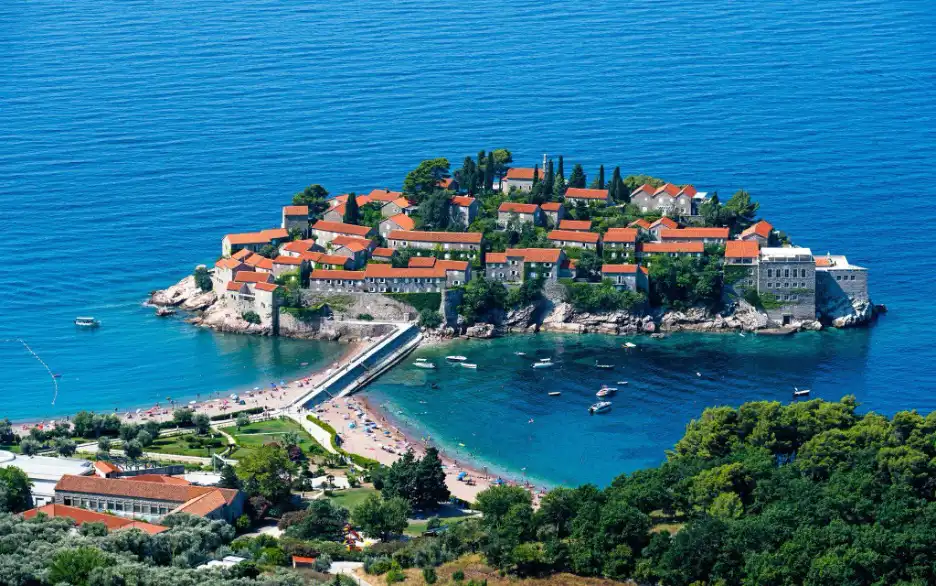
| Tivat | Sveti Stefan | 30 km | 35min | 1h 5min | Through Budva, then south |
| Tivat | Bar | 60 km | 1h | 1h 20min | Coastal road through Budva and Petrovac |
| Tivat | Cetinje | 50 km | 1h | 1h 10min | Via Budva, then up the mountain |
| Kotor | Budva | 22 km | 30min | 1h–1h 30min | Worst stretch in Montenegro for summer traffic |
| Kotor | Herceg Novi | 43 km | 50min | 1h 15min | Via Risan, around the bay |
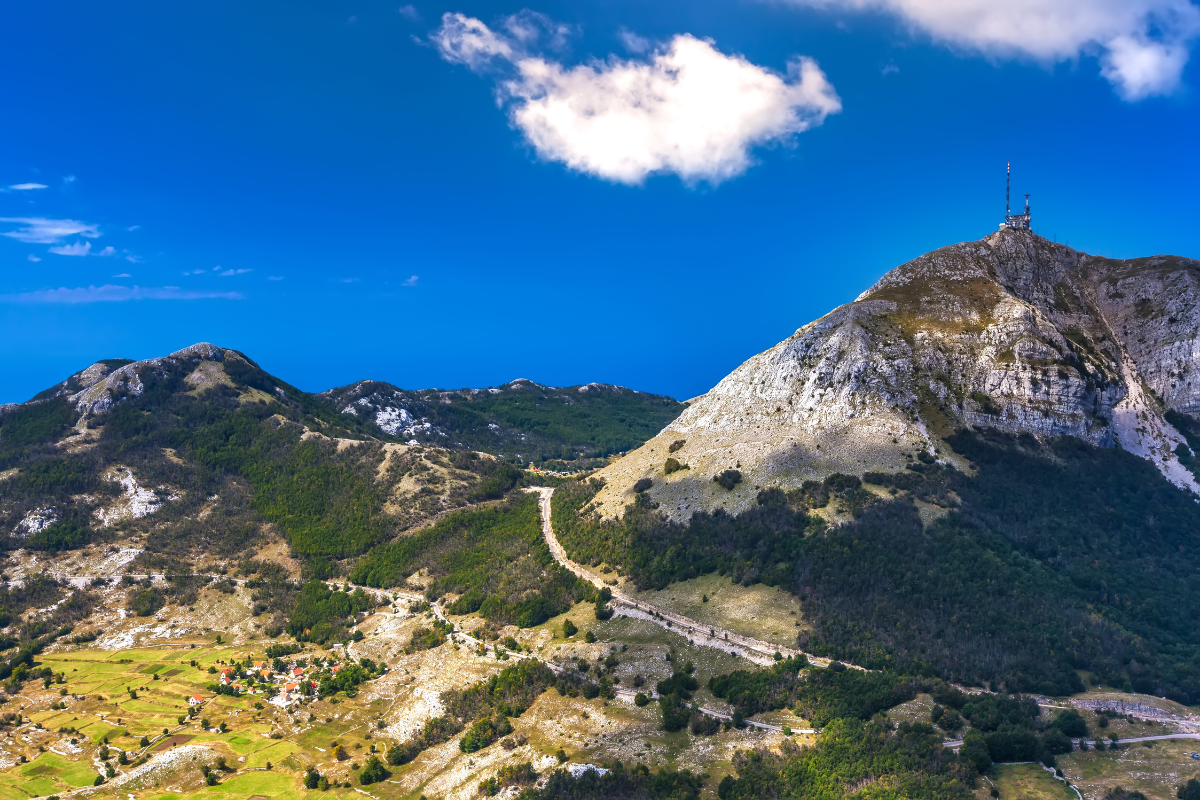
| Kotor | Cetinje | 45 km | 1h | 1h 10min | The famous Kotor serpentines. Spectacular but slow |
| Kotor | Žabljak | 165 km | 3h | 3h 30min | Via Risan, Nikšić, Šavnik. Long but scenic |
| Budva | Herceg Novi | 65 km via ferry | 1h 15min | 1h 45min | Includes ferry. 95 km / 2h+ if you drive around |
| Budva | Bar | 35 km | 40min | 55min | Coastal road, slow but pretty |
| Budva | Sveti Stefan | 7 km | 12min | 25min | Short but congested in summer |
| Budva | Ulcinj | 65 km | 1h 10min | 1h 30min | Coastal road through Bar |
| Budva | Cetinje | 30 km | 35min | 45min | Climbing mountain road, mostly smooth |
| Herceg Novi | Bar | 90 km via ferry | 1h 30min | 2h 15min | Ferry saves 30 km versus driving around the bay |
| Herceg Novi | Cetinje | 80 km | 1h 30min | 2h | Via ferry, then through Budva |
| Bar | Ulcinj | 25 km | 25min | 35min | Quick coastal hop |
| Bar | Sveti Stefan | 25 km | 30min | 45min | Coastal road north |
| Cetinje | Nikšić | 55 km | 50min | 55min | Via Podgorica is faster than the direct mountain road |
| Nikšić | Žabljak | 70 km | 1h 30min | 1h 30min | Via Šavnik. Mountain driving |
| Kolašin | Žabljak | 70 km | 1h 30min | 1h 35min | Across Sinjajevina plateau |
| Kolašin | Plav | 75 km | 1h 30min | 1h 30min | Through Andrijevica |
A few patterns are worth noticing. Anything involving the coastal corridor between Kotor and Bar will lose time in summer. Anything in the mountains stays predictable. And the moment a route involves the Kamenari-Lepetane ferry, you can either save half an hour or lose forty minutes in line, depending on when you show up.
Tivat Airport Drive Times to Every Major Destination
Tivat Airport (TIV) is the closest airport to most coastal destinations, and it’s where the majority of summer tourists land. If you’ve just picked up a rental at the terminal, here’s what you’re actually facing.
| Destination | Distance | Off-season | Peak summer | What to expect |
| Tivat town | 3 km | 7min | 10min | Right next door |
| Kotor | 8 km | 15min | 30–45min | Verige strait bottleneck in summer |
| Budva | 22 km | 25min | 50min | Through Tivat tunnel and along the coast |
| Bečići | 25 km | 30min | 55min | Just past Budva |
| Sveti Stefan | 30 km | 35min | 1h 10min | Photo stop on the way south |
| Herceg Novi | 35 km | 35min | 1h | Take the ferry. Pay €4.50, save 30 minutes |
| Petrovac | 38 km | 40min | 1h 5min | Last quiet beach town before the highway turns inland |
| Bar | 60 km | 1h | 1h 25min | Via Sveti Stefan and Petrovac |
| Cetinje | 50 km | 1h | 1h 10min | Through Budva, then up the mountain |
| Podgorica | 80 km | 1h 15min | 1h 45min | Via Budva and the Sozina tunnel (€2.50) |
| Ulcinj | 80 km | 1h 25min | 1h 50min | Long coastal drive |
| Lake Skadar (Virpazar) | 75 km | 1h 30min | 2h | Through Sozina tunnel. Worth it |
| Žabljak | 200 km | 4h | 4h 15min | Best done as part of a multi-day trip, not a same-day arrival |
| Kolašin | 130 km | 2h 30min | 2h 45min | Via Podgorica and the A1 motorway |
If you’re landing at Tivat in the afternoon between June and September, expect the drive to your accommodation to take longer than your GPS suggests. The airport itself is small enough that you’re often through customs and into your rental car within 20 minutes of touchdown, but the road south through Tivat town is two lanes and cannot move faster than the car in front of you.
Podgorica Airport Drive Times to Every Major Destination
Podgorica Airport (TGD) is 12 km southeast of the capital and serves more long-haul and business traffic. It’s the better arrival point if you’re heading to the north of the country, Lake Skadar, or directly to Albania.
| Destination | Distance | Off-season | Peak summer | What to expect |
| Podgorica city center | 12 km | 15min | 20min | Direct, easy |
| Lake Skadar (Virpazar) | 35 km | 30min | 40min | Closest airport for Lake Skadar |
| Cetinje | 45 km | 45min | 50min | Easy highway, then a smooth climb |
| Bar | 50 km | 50min | 1h 10min | Via Sozina (€2.50) |
| Budva | 70 km | 1h 5min | 1h 25min | Same route, then continue along the coast |
| Sveti Stefan | 75 km | 1h 15min | 1h 35min | Photo stop south of Budva |
| Ulcinj | 75 km | 1h 5min | 1h 25min | Direct coastal road south |
| Tivat | 90 km | 1h 25min | 1h 50min | Coastal route via Budva |
| Tivat Airport | 95 km | 1h 30min | 1h 55min | Sometimes worth it for cheaper rental rates |
| Kotor | 95 km | 1h 30min | 2h 10min | Via Budva |
| Herceg Novi | 130 km | 2h 10min | 2h 50min | Long drive. Take the ferry |
| Kolašin | 80 km | 1h 5min | 1h 15min | A1 motorway (€3.50) |
| Žabljak | 135 km | 2h 25min | 2h 40min | Via Nikšić and Šavnik |
| Plav | 145 km | 2h 30min | 2h 35min | Via the A1 motorway and Kolašin |
| Ostrog Monastery | 60 km | 1h 5min | 1h 15min | Worth a detour. See our Ostrog guide |
Podgorica Airport often gets overlooked because Tivat is closer to the famous coastal towns, but for anyone heading to Lake Skadar, Durmitor, or Plav, it’s a much more sensible arrival point. You also tend to find better rental rates here than at Tivat in peak season.
Three Roads That Matter: Tunnels, Ferries, and the Highway
Three pieces of infrastructure shape almost every drive in Montenegro. Knowing how they work and when to use them will save you time and stress.
The Sozina Tunnel (€2.50)
The Sozina tunnel is 4.2 km long, runs between Bar and Virpazar on the E80, and shortens the drive from Podgorica to Bar by about 25 km. The toll is €2.50 for cars, payable in cash or by card at the booth. There’s no electronic-only option, so just slow down and pay.
When to use it: any time you’re driving between the central part of the country (Podgorica, Lake Skadar) and the southern coast (Bar, Ulcinj). Skipping it to save €2.50 means a longer, slower mountain road that adds 40 to 50 minutes for no real reward unless you specifically want the views.
When to skip it: if you’re not in a rush and you want to drive through Crmnica wine country. The old road over the Paštrovska Gora mountain is genuinely beautiful and cuts through some of Montenegro’s best wine villages. But if you’re just trying to get somewhere, take the tunnel.
The Kamenari-Lepetane Ferry (€4.50)
This is the short ferry crossing across the Verige strait at the entrance of the Bay of Kotor. Cars pay €4.50, the crossing takes about 10 minutes, and ferries run every 15 minutes during peak season and roughly hourly through the night.
The ferry saves you about 30 km of driving versus the long way around the Bay of Kotor through Risan and Perast. In normal traffic, this translates to about 35 to 40 minutes of saved time. In summer, when the bay road is choked with tour buses, the savings can be closer to an hour.
When to use it: any drive between Tivat or Budva on one side and Herceg Novi or Croatia on the other. Almost always faster.
When to skip it: if you’ve never seen the inner Bay of Kotor and you have time, the long way around is one of the most beautiful drives in Europe. Perast and Risan are both worth a stop. See our panoramic roads guide for the full route.
When to definitely skip it: in peak season between 9 and 11 AM heading toward Tivat, or between 4 and 7 PM heading toward Herceg Novi. The queue can stretch 45 minutes or more, which wipes out any time savings. Drive around the bay instead.
The A1 Smokovac-Mateševo Motorway (€3.50)
Montenegro’s first and only proper motorway runs 41 km from Smokovac near Podgorica north to Mateševo near Kolašin. It opened in July 2022 and completely transformed the drive between Podgorica and the northern half of the country. The toll is €3.50 for cars.
Before this highway existed, the only road north followed the Morača canyon, a narrow, winding two-lane road carved into cliffs above the river. Beautiful, but stressful, and dangerous in winter. The motorway tunnels through all of that and turns what was a 90-minute white-knuckle drive into a calm 50 minutes.
When to use it: anytime you’re heading from Podgorica to Kolašin, Bjelasica, Durmitor, or anywhere in the north and east of the country. There’s no good reason to skip it unless you specifically want to see the old Morača canyon road, which is still open.
When the Longer Way Is the Faster Way (And Vice Versa)
A few specific routes have multiple options that aren’t obvious from a map. Here’s where local knowledge actually changes your trip.
Kotor to Žabljak: serpentines or Cetinje?
The direct route over the Kotor serpentines (the road that climbs above the bay in 25 hairpin turns) and through Cetinje looks shorter on a map. It’s not faster. Tour buses and slow trucks crawl up those serpentines all summer, and overtaking is basically impossible. Take the longer route via Risan and Nikšić instead. It’s 165 km versus 145 km, but it’s an hour faster on average and far less stressful.
Budva to Herceg Novi: ferry or around the bay?
Almost always the ferry, unless it’s peak summer and you can see a long queue. Driving around the bay through Kotor, Perast, and Risan adds 30 km and at least 40 minutes in any season. The exception is if you’ve never done the bay drive — it’s worth doing once, just don’t do it when you have a flight to catch.
Bar to Podgorica: tunnel or old road?
Sozina every time, unless you’re specifically going to Virpazar or Rijeka Crnojevića. The old road through the mountains is beautiful but adds 40 to 50 minutes and serves no practical purpose for transit.
Tivat to Žabljak: which way?
Three options. Through Cetinje and Podgorica is the fastest at about 3h 30min, using the A1 motorway. Through Risan and Nikšić is about the same time but more scenic. The third option through the Kotor serpentines and Lovćen sounds appealing but adds an hour for no benefit. Take the Podgorica route if you want speed, the Risan route if you want a single uninterrupted scenic drive.
Herceg Novi to Podgorica: bay route or via Trebinje?
Most travelers don’t realize there’s a faster route through Bosnia. Crossing the border at Sitnica, driving through the Bosnian town of Trebinje, and re-entering Montenegro takes about 2 hours, which is actually faster than going around the Bay of Kotor in summer. The catch: you need to make sure your rental insurance covers Bosnia, and you’ll cross two border crossings. Worth it for some travelers, not for others.
Driving in Peak Season (July – August): What the Maps Don’t Show
If you’re driving in Montenegro between mid-June and late August, the rules change. Here’s what to actually expect.
The coastal corridor is the bottleneck: The 60 km stretch from Herceg Novi to Bar is a two-lane road for most of its length, and during peak summer it serves the entire seasonal population of the coast plus everyone driving through. The worst hours are 9 AM to 11 AM (people heading to beaches and tours) and 5 PM to 8 PM (people heading back to accommodation, plus dinner traffic). If you have to drive between Kotor, Budva, and Bar in peak summer, do it before 8 AM or after 9 PM.
The Vrmac tunnel matters in 2026: Throughout summer 2026, the Vrmac tunnel between Tivat and Kotor is undergoing reconstruction with single-lane reversible traffic. Expect 20-minute waits at the tunnel entrance even on quiet days, and 45+ minutes during peak hours. The Tivat-Kotor drive that’s normally 15 minutes can easily turn into an hour. Plan accordingly, especially for airport transfers.
Kotor cruise ship days: Up to four cruise ships dock in Kotor on busy summer days. When that happens, the road from Kotor to Tivat and Kotor to Budva fills with tour buses moving slowly through the old town area. There’s no reliable way to predict cruise ship days in advance, but if you see large white ships in the bay, add 30 minutes to any drive that touches Kotor.
Mountain routes are unaffected: This is the silver lining. Anything from Podgorica to Žabljak, Kolašin to Plav, or Nikšić to Šavnik runs at the same speed in August as it does in March. If you want to escape the coastal madness for a day, the mountains are right there.
Practical Notes for Long Drives:
A few things that aren’t obvious until you’ve driven these roads.
Fuel up before you head north or east: Once you leave Podgorica or Nikšić heading toward Žabljak, Plav, or the Tara canyon, gas stations become rare. There are stations in Šavnik and Žabljak, but they’re not always open in shoulder season, and prices are higher. Fill up in Podgorica or Nikšić before you climb into the mountains.
Phone signal drops in the canyons: The Morača canyon (now mostly bypassed by the A1 motorway), the Tara canyon, the Piva canyon, and parts of the road between Kolašin and Plav have unreliable mobile signal. Download offline Google Maps for any mountain trip. Don’t assume you can call for help if something goes wrong.
Some roads should not be driven at night: The Kotor serpentines, the road over Lovćen, the Risan-Nikšić mountain road, and the older sections of the Adriatic highway between Petrovac and Bar are all narrow, poorly lit, and have long sections without guardrails. They’re fine in daylight if you drive carefully, but they’re genuinely dangerous after dark, especially if it’s raining. Plan to arrive at coastal or mountain destinations before sunset.
Police speed traps: Speed enforcement is consistent and unforgiving. Common spots include the entry roads to Bar, the stretch between Budva and Tivat, and the road from Podgorica toward Cetinje. Speed limits are 50 km/h in towns, 80 km/h on rural roads, and 100 to 130 km/h on the A1 motorway. Fines for non-residents are usually paid on the spot in cash.
Parking in the old towns: Kotor old town is fully pedestrianized, with paid parking lots outside the walls (€2 to €5 per hour). Budva old town is the same. Both fill up by mid-morning in summer. If you’re planning to spend the day in either, arrive early or be prepared to park further out and walk.
Closing Thoughts
Montenegro rewards drivers who plan their routes with a bit of context. The country is small, but the road network has its quirks, and the difference between a stressful trip and a smooth one usually comes down to knowing when to use the ferry, when to take the tunnel, and when to leave at 6 AM instead of 10.
If you’re still working out your itinerary, our fleet is based in Bečići and we deliver to both Tivat and Podgorica airports. We’ve driven every road on this page hundreds of times. Ask us anything before you book.