
Invictus Via
Rent a Car Montenegro
Looking for a reliable car rental in Montenegro? Book your vehicle for the coast, the city, or the mountains, with transparent terms and instant confirmation.
- Free CASCO & OSAGO insurance
- Free delivery to your location
- Unlimited mileage
- No car deposit
- 500+
- Happy customers
- 20
- Vehicles available
- 5+
- Years in business
- 60+
- Google reviews
Four things you never pay extra for
Tap any of them to see exactly what it covers.
The Invictus Via difference
Everything you need for the road
One trusted local team, a fleet for every trip, and full insurance on every key. No surprises, just the keys and the coast ahead.
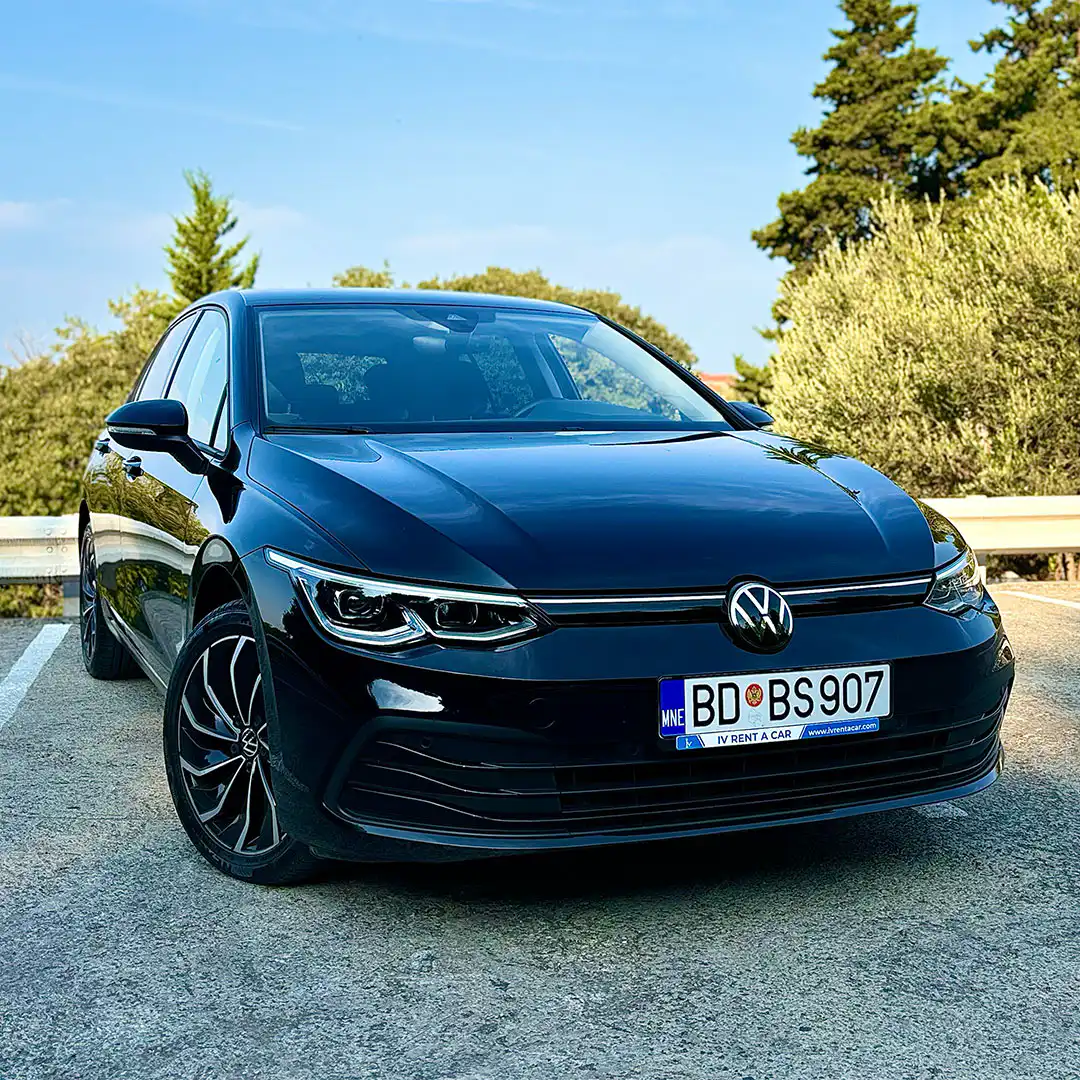
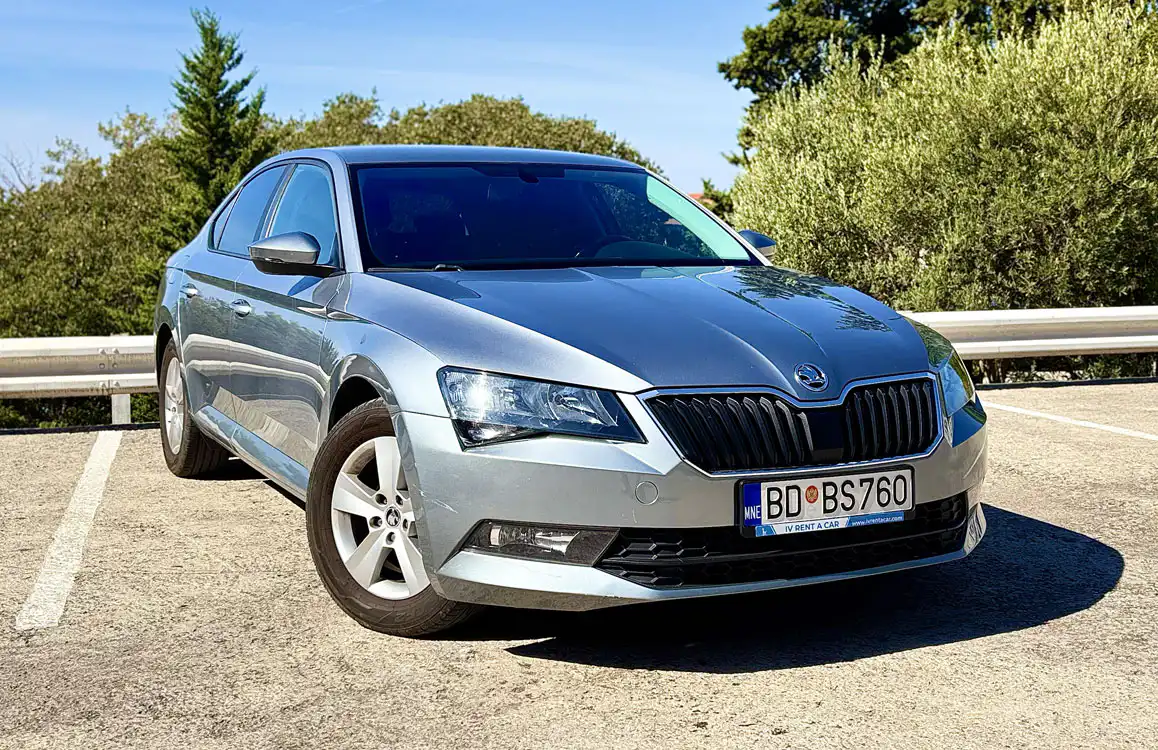
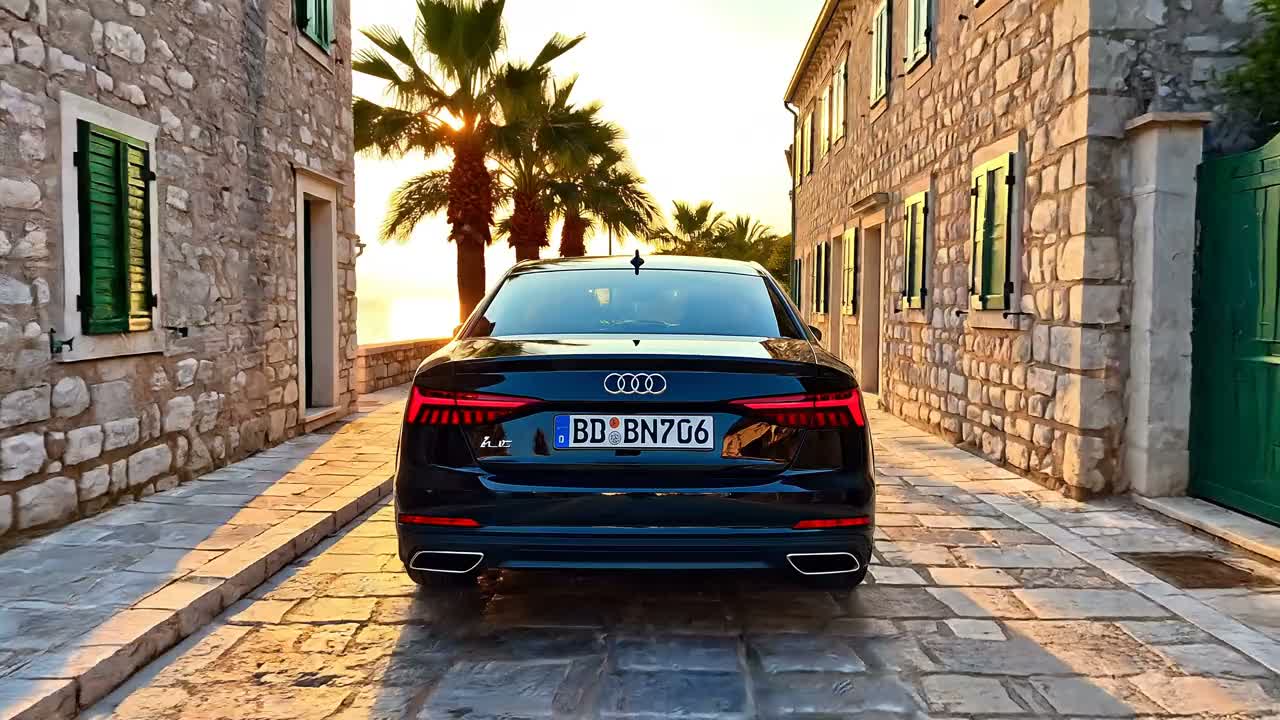
Our fleet
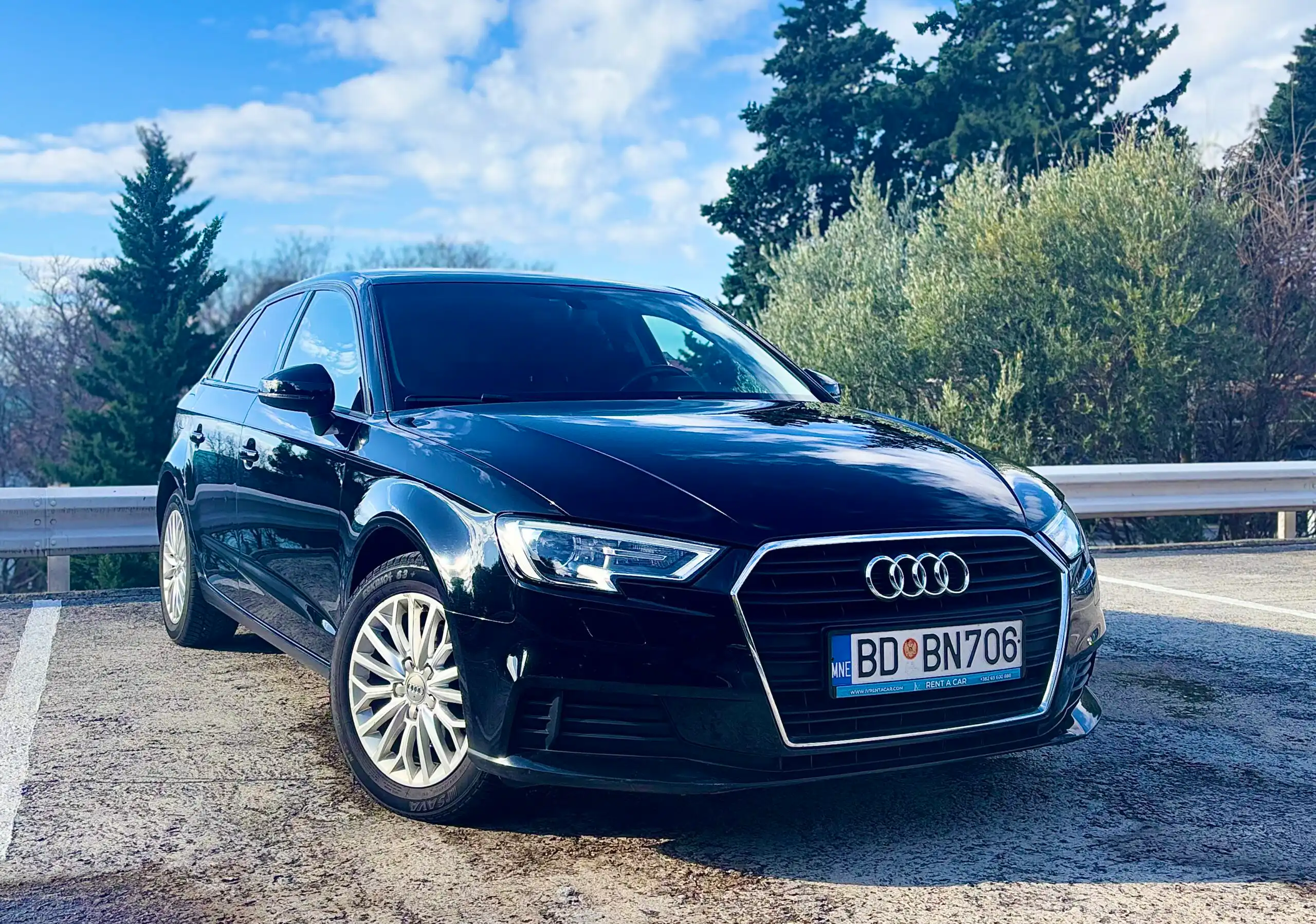
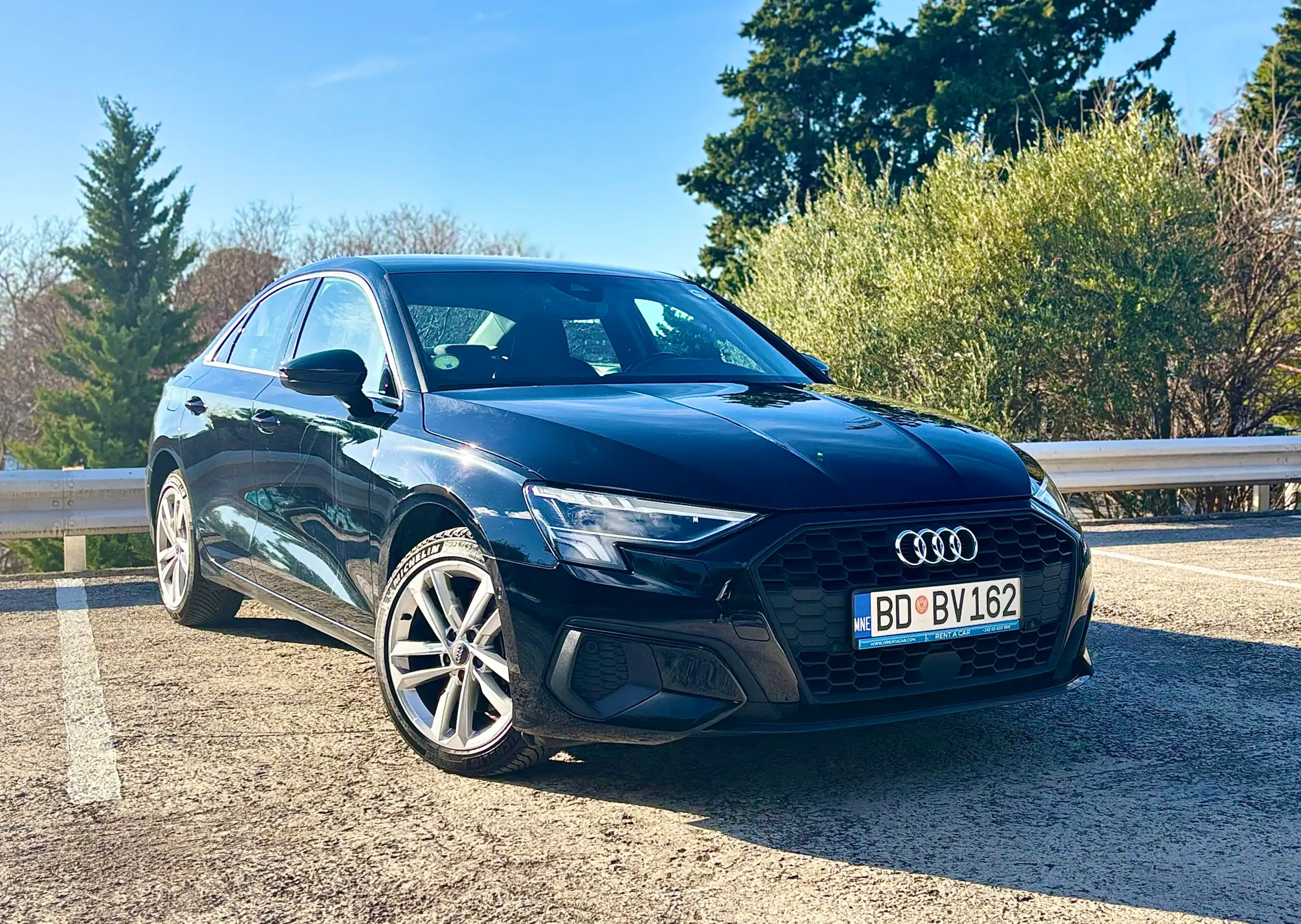
20+ rent a car vehicles
Our full fleet of 16 vehicles. All rentals include free CASCO & OSAGO insurance, unlimited mileage, and delivery to your location.
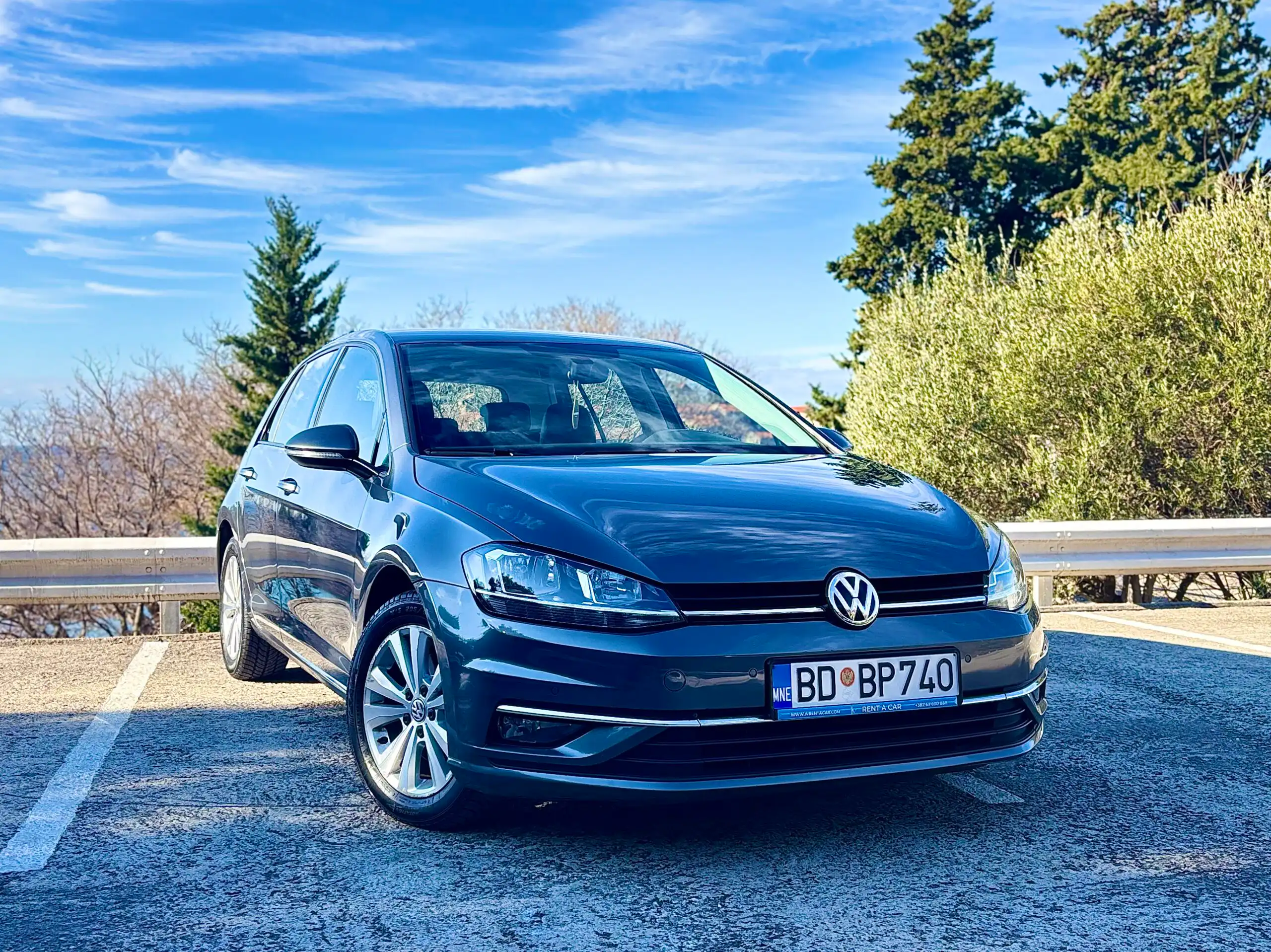
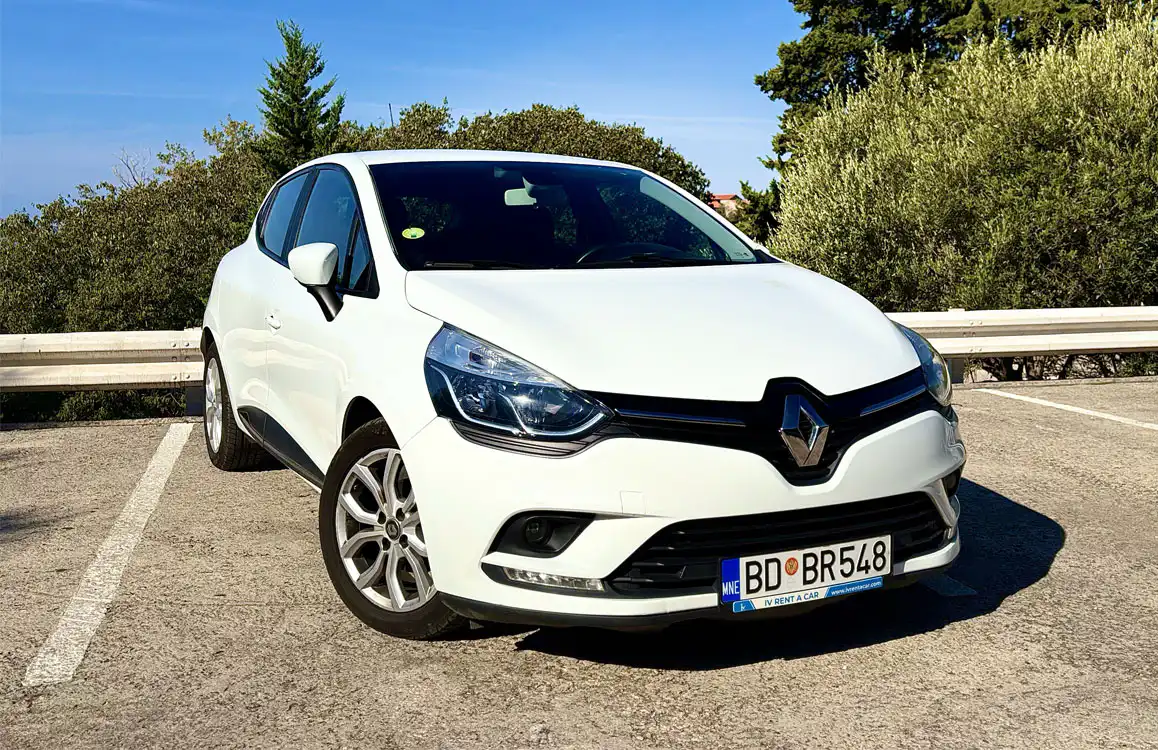
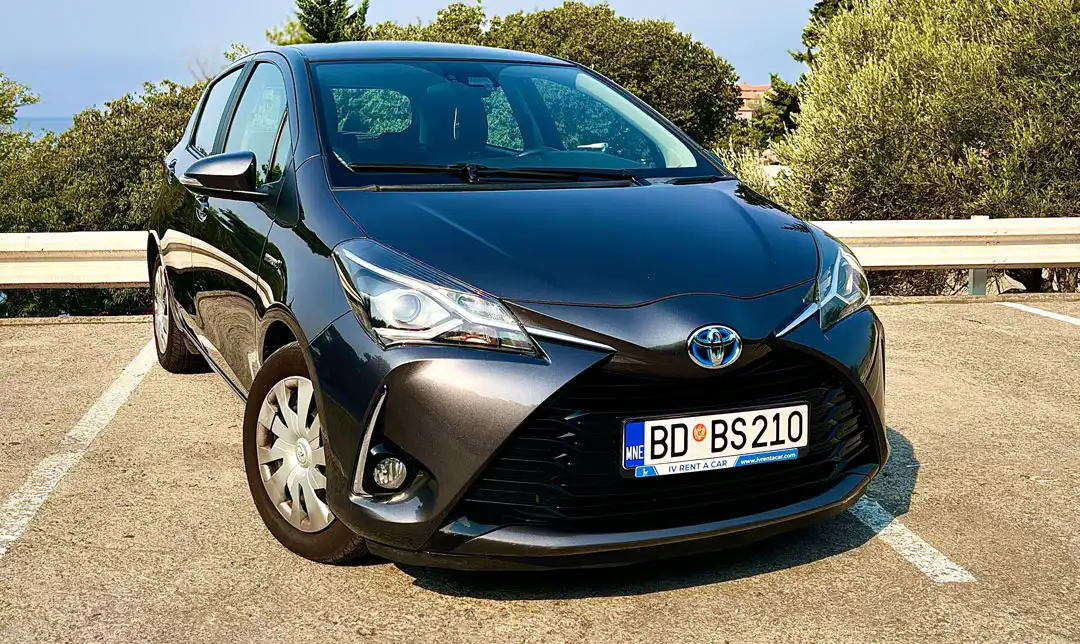
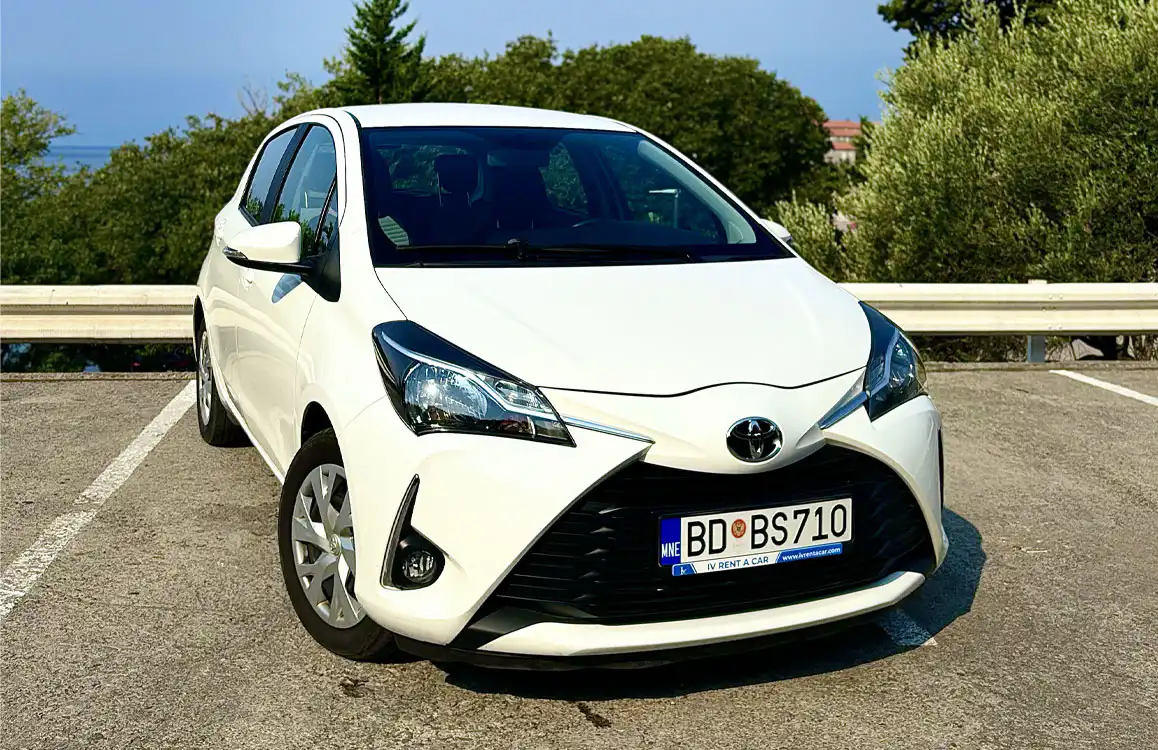
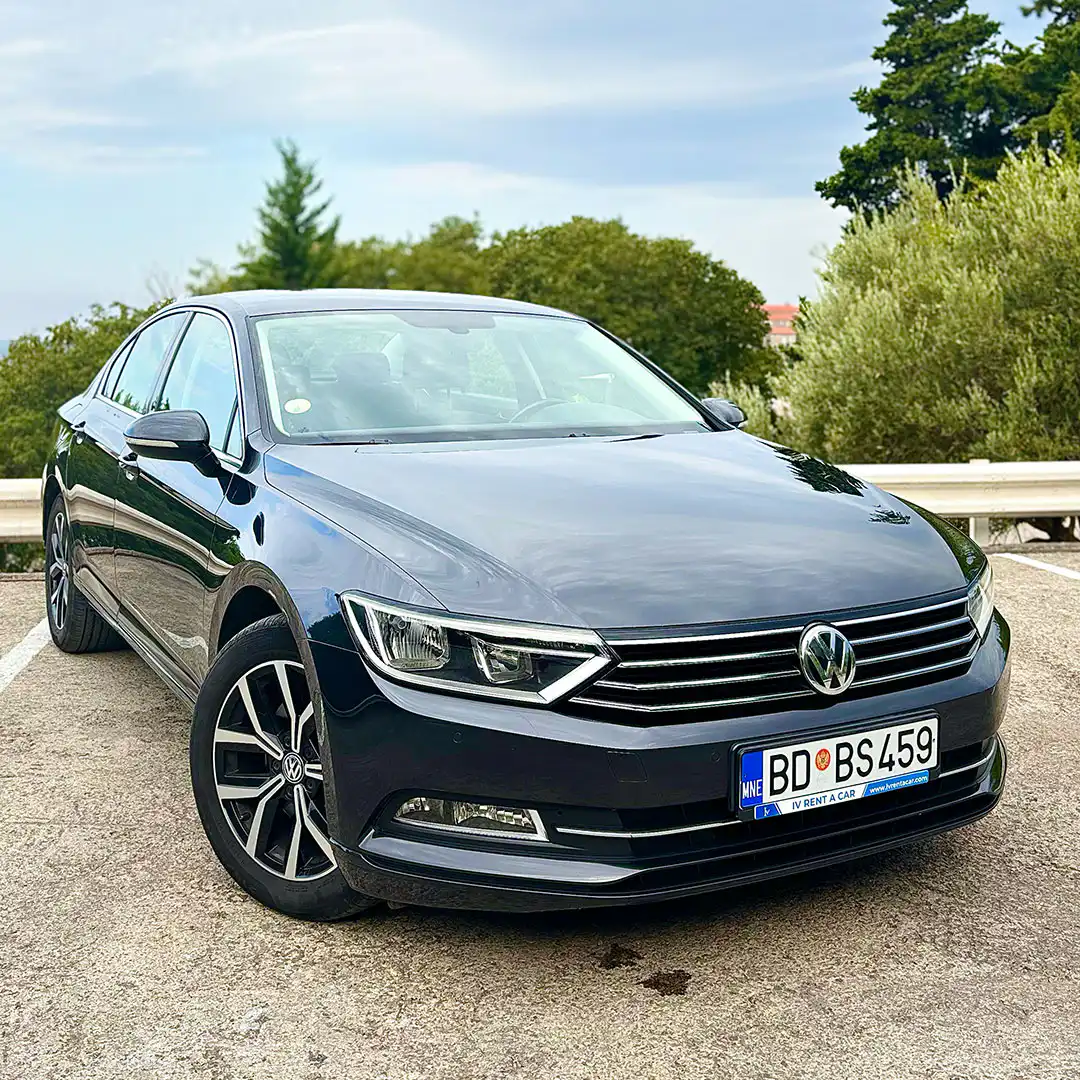
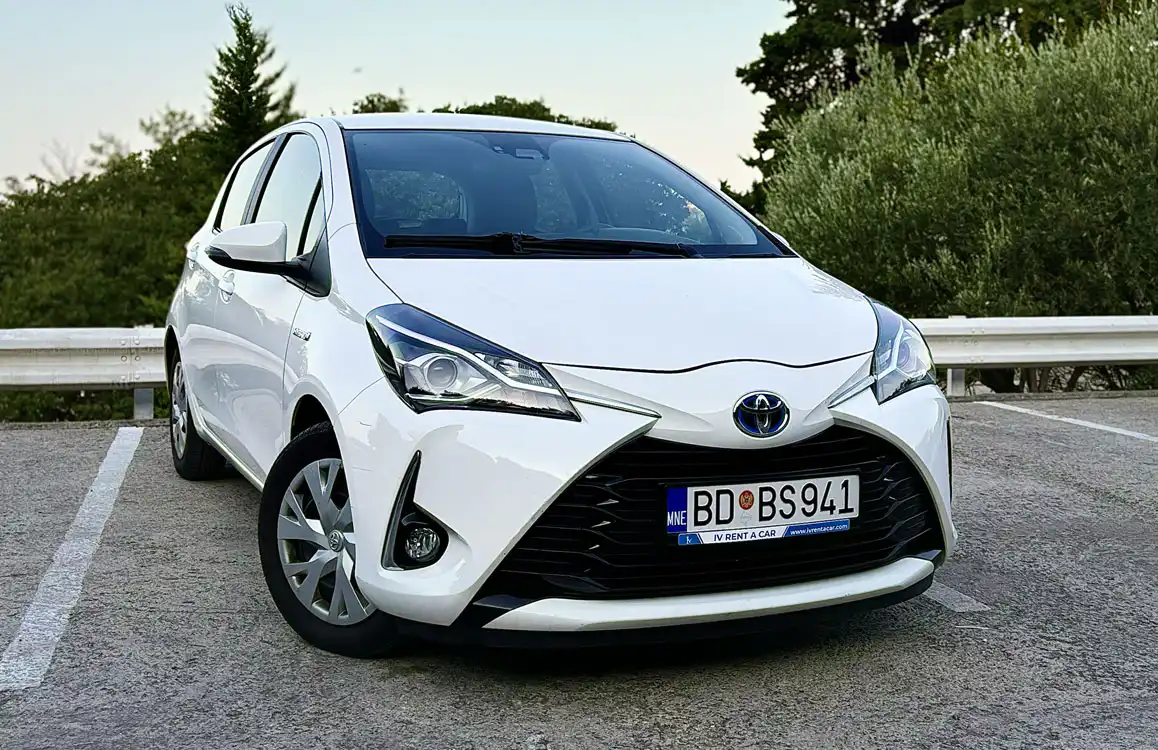
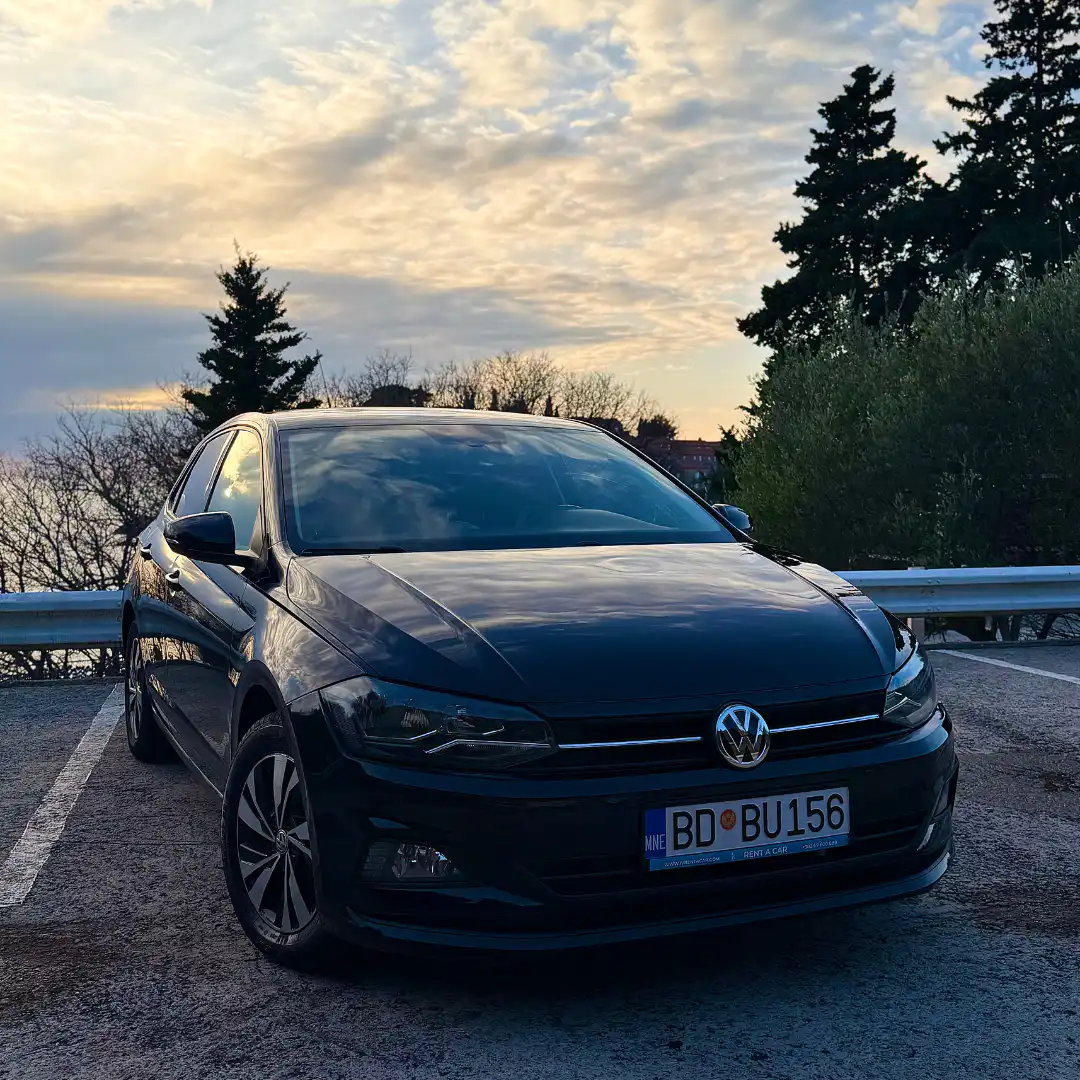
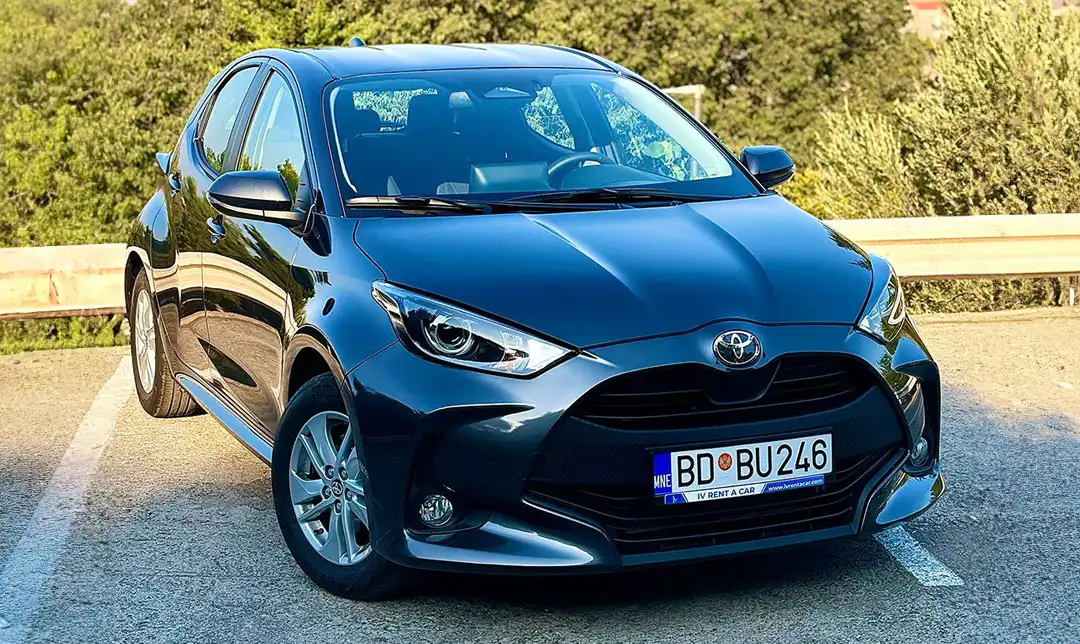
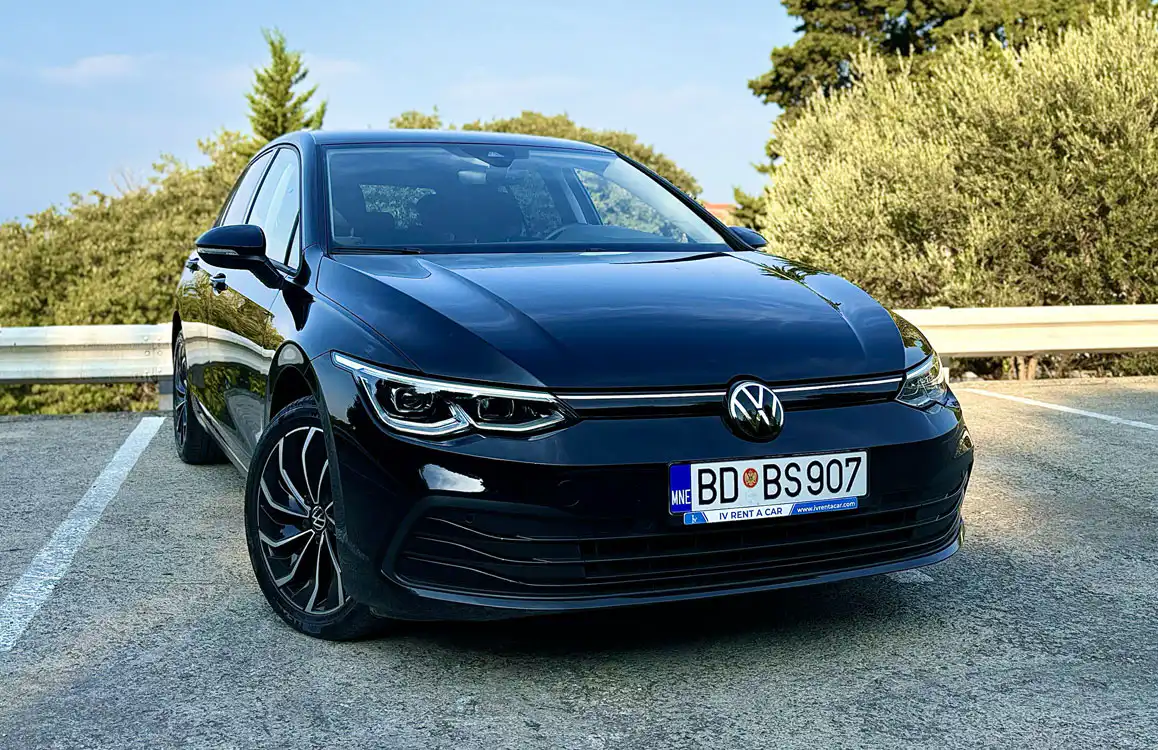
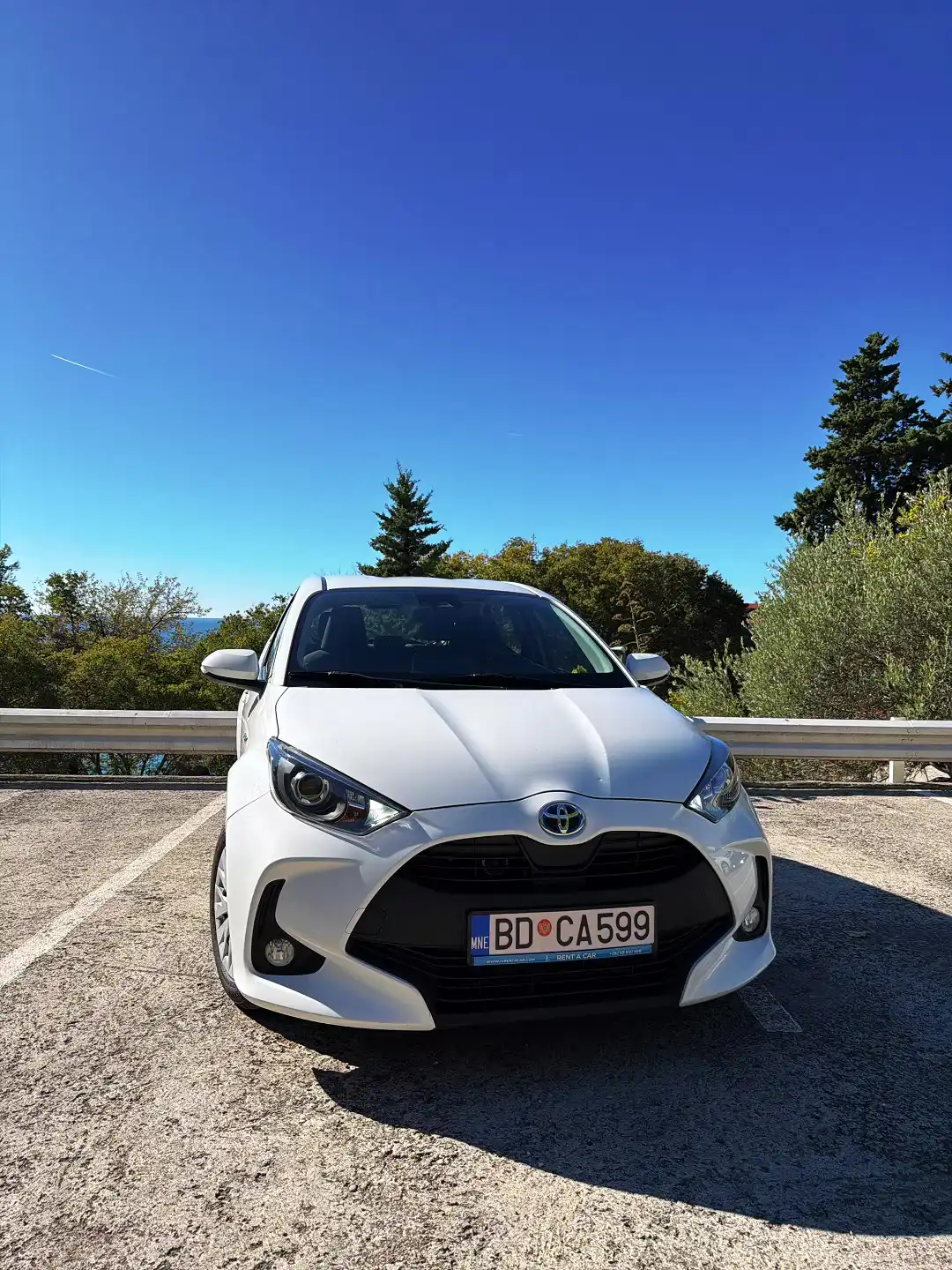
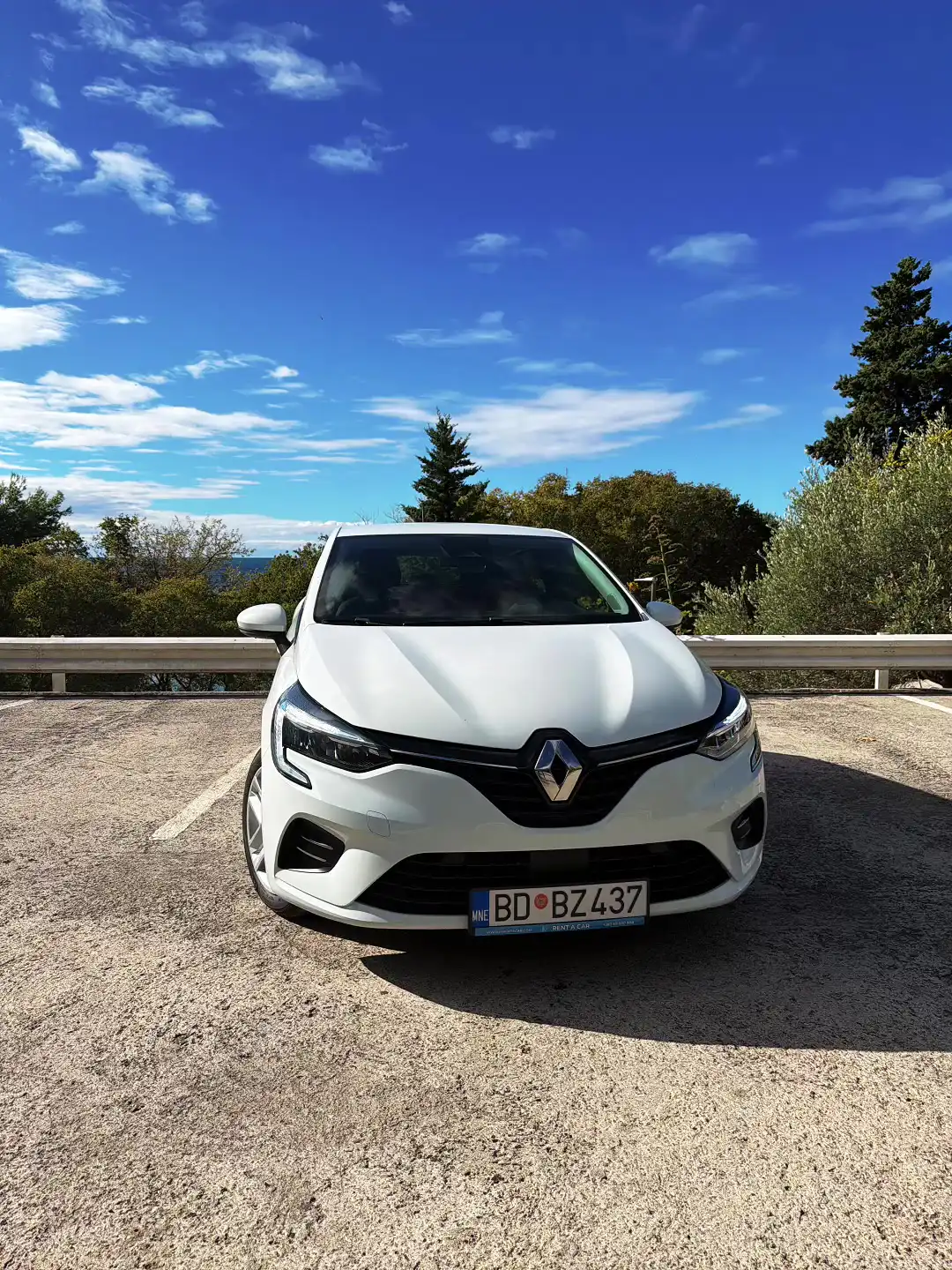
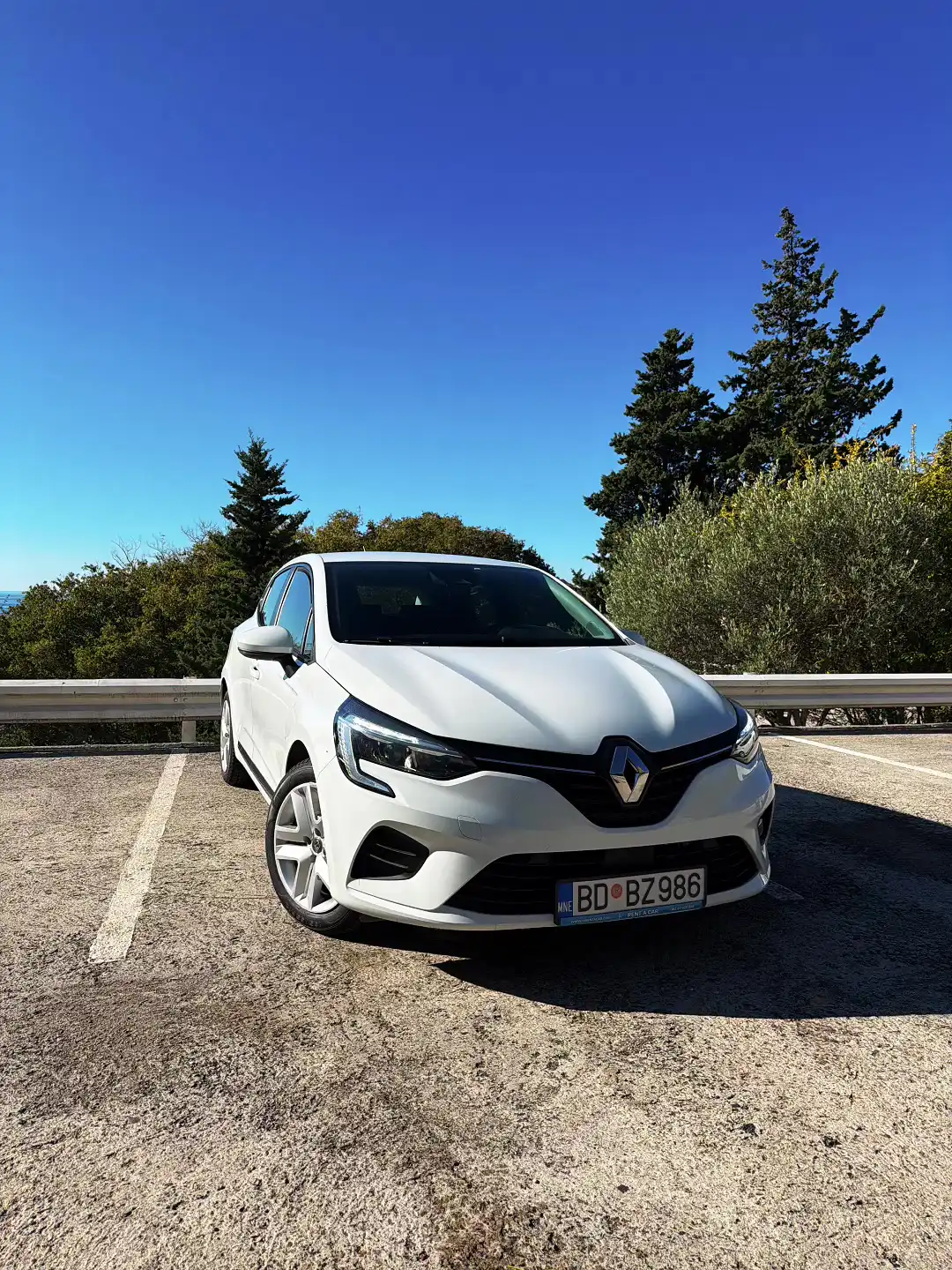
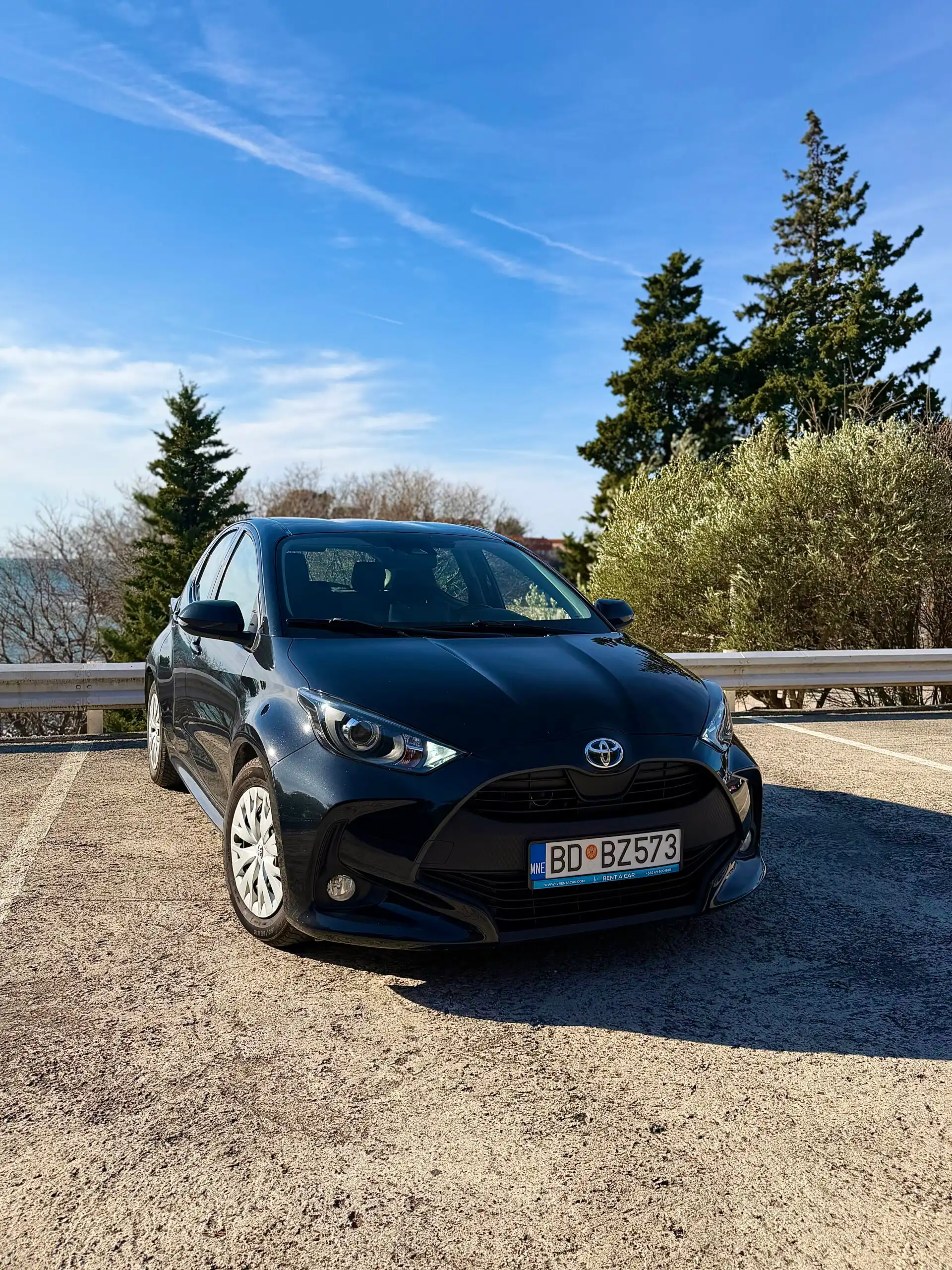
Don't see your preferred vehicle? Contact us on WhatsApp and we'll find the right car for you.
Browse by category
Find a car by category
Whatever your trip needs, we have a class to match. Pick a category and see what's available.
Long-term rental
Monthly rental option
Living or working in Montenegro for a month or more? Our monthly rental is more cost-effective than daily rates, with everything included.
Why monthly beats daily
Daily rental, 12 days
€50/day × 12 days
≈ €600 for 12 days
Monthly rental
One fixed price
from €600 for 30 days
Similar spend, more than double the days on the road.
Small Cars
Toyota Yaris, Renault Clio, VW Polo
from €500/mo
Medium Cars
Golf 8, Golf 7, Audi A3
from €600/mo
Limousines
Skoda Superb, Audi A3 Limousine, VW Passat
from €700/mo
Or contact us directly, we'll find the best option for your stay.
Always included
Every rental includes
No hidden fees. Everything you need comes standard.
Unlimited Mileage
Drive as far as you want within Montenegro with no km restrictions.
Third Party Liability Insurance
Mandatory OSAGO liability coverage included in every rental.
Comprehensive CASCO Insurance
Full CASCO coverage for damages from accidents, theft, and vandalism.
Seasonal Equipment
Properly fitted seasonal tires for summer or winter, always suited for local road conditions.
Free Delivery & Pick-up
We bring the car to you and collect it, free of charge for rentals of 3 or more days.
24/7 Road Assistance
Round-the-clock roadside help anywhere in Montenegro, so you're never left stranded.
Vehicle Disinfection
Every car is thoroughly cleaned and disinfected before it reaches your hands.
Satisfaction Guarantee
Not happy in the first 1–3 days? Return the car and pay nothing. Truly risk free.
Zero risk
Try before you commit
When we deliver your car, you get to see it and take it for a spin first. If anything is not to your liking, we'll replace it, or you can simply walk away. No pressure, no hidden catch.
- Inspect and test drive the car the moment we deliver it
- Not the right fit? We'll swap it for another vehicle
- Changed your mind? Cancel on the spot, no charge
Why choose us
What makes us different?
We built our reputation on genuine care, real transparency, and vehicles you can rely on.
Browse the fleetNew Vehicles & Equipment
Newer models, regularly serviced, with the right tires and equipment for the current season.
Full Insurance Coverage
We provide Compulsory Third-Party Liability and full CASCO Insurance free of charge.
Best Prices
We guarantee the best price on the market. Find a cheaper comparable offer and we'll match it.
24/7 Support
We're at your service around the clock, ready to assist you with anything you need.
Family Operated Business
We treat every guest like family, offering genuine care, warmth, and personalized service.
Reliable & Transparent
No hidden fees. Simple booking. Real human support 24/7. Someone you can always count on.
The honest difference
How we compare
No hidden fees, no surprises. Here's what you get with us, next to what a typical rental gives you.
Simple process
How it works
Booking a car in Montenegro takes minutes. Three steps to freedom.
Choose A Car
Browse our fleet and pick the vehicle that fits your trip, city car, family sedan, or limousine.
Book A Date
Contact us via WhatsApp, phone, or email. We'll confirm your dates and arrange delivery.
Hit The Road
We bring the car to you. Drive wherever you want in Montenegro, unlimited mileage, no surprises.
Free delivery for rentals of 3+ days. No hidden fees.
Real guest reviews
5.0 onGoogle
Rated 5.0 out of 5 by 75 guests, straight from Google.
Philipp Mironenko
a month ago
We had a great experience renting a car from Invictus Via in Montenegro. From the first message, everything was easy and friendly. The owners were always quick to reply, helpful, and genuinely cared about making our trip go smoothly. The car was clean, well-maintained, and exactly as described. No surprises, no stress. We also loved the flexibility of picking up the car in one city and returning it in another at no extra cost. It made our trip much easier. A nice bonus was their blog and local recommendations, which helped us discover a few great places. We would happily rent from Invictus Via again and highly recommend them to anyone visiting Montenegro.
Natalia Dob
3 weeks ago
I had a great experience with this rental company. 😊 The booking process was simple, the staff were friendly and professional, and everything was exactly as described. The vehicle was clean, well-maintained, and ready on time. 🚘The whole experience was smooth and hassle-free. I highly recommend this rental car service at Motenegro! 💙😊😊
Simon Evans
2 months ago
We recently rented a car from Invictus for our holiday in Montenegro. We could not have had a better experience. The car was spotless and perfect for our needs. Bozidar delivered it to our hotel in Herceg Novi and collected it four days later from our departure point of Podgorica as arranged. Bozidar was so helpful and friendly. I had not driven a Hybrid car before and he spent as much time as I needed to explain exactly how to manage it. Bozidar’s positive approach is a real asset to the company. Having rented cars in many countries I can only say that the experience we had with Invictus was the most seamless of all. Value for money was also excellent and we highly recommend Invictus to anyone looking for a great service and a good price.
Sarah Behenna
3 months ago
Highly recommend Invictus Via. We rented a car from them for ten days, booked via their website and then they email you to confirm your booking. On the morning of your booking they whatsapp you to ask where exactly you would like the car to be dropped off. This was great as we were able to ask for them to drop the car off at our hotel car park. Bozidar went through the paperwork, took photos of our driving licenses etc and showed us how to use the car. He was exceptionally friendly and helpful, and the whole process was done very quickly in 5-10 minutes. He even said if we had any questions at all about Montenegro itself, or needed recommendations on where to go etc that we could text him any time, and I truly felt like I could and that he would be genuinely helpful. On the last day of rental they text you asking where you would like the car picked up from, again very easy as they were very happy to pick up from our hotel, and the process only took a couple of minutes. Their rates are very reasonable, with no unexpected charges. The price quoted on their website is what you pay. The car was well looked after and in good condition. I'd highly recommend hiring a car to sightsee, and these have been the best rental car firm I've ever used.
Diana
4 weeks ago
Wonderful and easy experience in renting a car in Montenegro! Bozidar even came to our hotel to pickup the car. He promptly took care of the issue when a lady back into our car and we were on our way quickly.
Also on Trustpilot
49 reviews on Trustpilot
Rated 4.8 out of 5 (Excellent) by verified customers. Every review is real, we don't pay for ratings.
“Very personal service, friendly and professional. We ordered a Toyota Yaris but received a Skoda Superb at no extra charge, with great communication over WhatsApp and always prompt replies.”
“Very easy to book and get in touch with the company. Bozidar even came to our hotel to hand over the car. He went over and beyond to make the whole experience effortless.”
“Excellent rental service, I have been using it for several years. Always great cars, clean and well kept, and the managers are quick to respond on WhatsApp, Telegram and Viber.”
“We rented a car from October to May. Nikola is a really nice and friendly guy who provided everything we needed, including a baby seat and travel insurance for other countries.”
Local knowledge
Car rental tips for Montenegro
Advice from locals to help you make the most of your road trip through Montenegro.
Currency
The official currency in Montenegro is the euro. No exchange needed, pay everything in EUR.
Heavy traffic
Expect heavy traffic between coastal towns, Budva, Tivat, Kotor. The northern region is much less congested.
Police checkpoints
Increased police checkpoints in the evening hours are common. Always carry your passport and rental papers.
Parking
Parking can be hard to find at night. Be careful where you park, towing is active and the fine is €120.
Book early
Book your vehicle in advance to ensure availability, especially in summer. Better rates guaranteed.
Sightseeing
Allow at least 3 days for the coast and 4 days for the central and northern regions.
Weather
Be prepared for sudden weather changes between the southern coast and the central and northern regions.
Hidden gems
Some of the best spots in Montenegro have minimal online presence. Ask us, we know the local favourites.
Always ask for a receipt
If you ever feel you've been overcharged, ask for an official receipt. It keeps everything transparent.
FAQ
Frequently asked questions
Everything you need to know about renting a car in Montenegro. Can't find your answer? Ask us directly on WhatsApp.
Ask on WhatsAppSelect a car, choose your dates, and complete the booking form. You can also contact us directly via WhatsApp, phone, or email. We'll confirm your reservation and arrange delivery to your preferred location.
Yes. Every rental includes free Compulsory Third-Party Liability (OSAGO) and full CASCO insurance at no extra charge. There are no hidden fees for basic coverage.
You need a valid passport and a driving license at the time of pickup. Additional drivers must bring the same documents.
The minimum age to rent a car is 21 years. A valid driving license is required.
Delivery and pickup are free for rentals of 3 or more days. For 1–2 day rentals, a separate delivery fee applies. Most common delivery locations are Budva, Tivat, Kotor, and Podgorica.
No, all rentals include unlimited mileage within Montenegro. Restrictions may apply for cross-border travel; contact us in advance if you plan to leave the country.
We don't hold a security deposit on the car. Only for bookings over €300 we ask for a small €100 reservation deposit to hold the vehicle, it's not an extra cost, it counts toward your total, and you pay the rest at pick-up.
Yes. Contact us at least 24 hours before the end of your rental period and we'll arrange the extension.
We provide 24/7 roadside assistance within Montenegro. In case of an accident, contact us immediately and we'll guide you through the process. Always call police (112) and stay at the scene.
We accept cash and credit cards. A deposit may be required for bookings made more than 7 days in advance.
Yes, we offer a test drive option before you commit to a longer rental. Contact us on WhatsApp to arrange it.
Get in touch
Reach us directly
Choose your preferred way to reach us. We respond quickly on WhatsApp and Viber.


Ready to explore Montenegro?
Ready to Hit the Road?
Check availability for your dates, choose your vehicle, fill out a quick form, and complete your booking. We'll arrange delivery straight to your location.
Free delivery for 3+ day rentals · Free CASCO insurance · No hidden fees