When most people think of Montenegro, they picture sunny beaches and busy summer towns. But what if we told you that some of the country’s most memorable moments happen when the crowds disappear, and winter takes over?
In this guide, we’ll show you what makes Montenegro winter special, what places to visit, and what activities to try out.
Why Visit Montenegro in Winter?
If you’re hesitant about visiting Montenegro from December to March, here are five reasons that might change your mind.
- Discover Montenegro without the crowds
In winter, you can walk through the old towns of Budva or Kotor and enjoy national park viewpoints without tour groups or crowds.
- Two seasons in one trip
This is a rare European country where you can enjoy snow in the mountains and mild weather by the sea on the same day. In winter, you can walk around the sunny bay of Kotor in the morning and head north to snowy Durmitor or Kolašin in the afternoon.
- Lower prices for higher value
Winter is Montenegro’s low season, which means cheaper accommodation and better hotel availability. You get higher-quality stays for a lower price, whether it’s a coastal boutique hotel or a cozy mountain lodge.
- Nature at its best and most photogenic
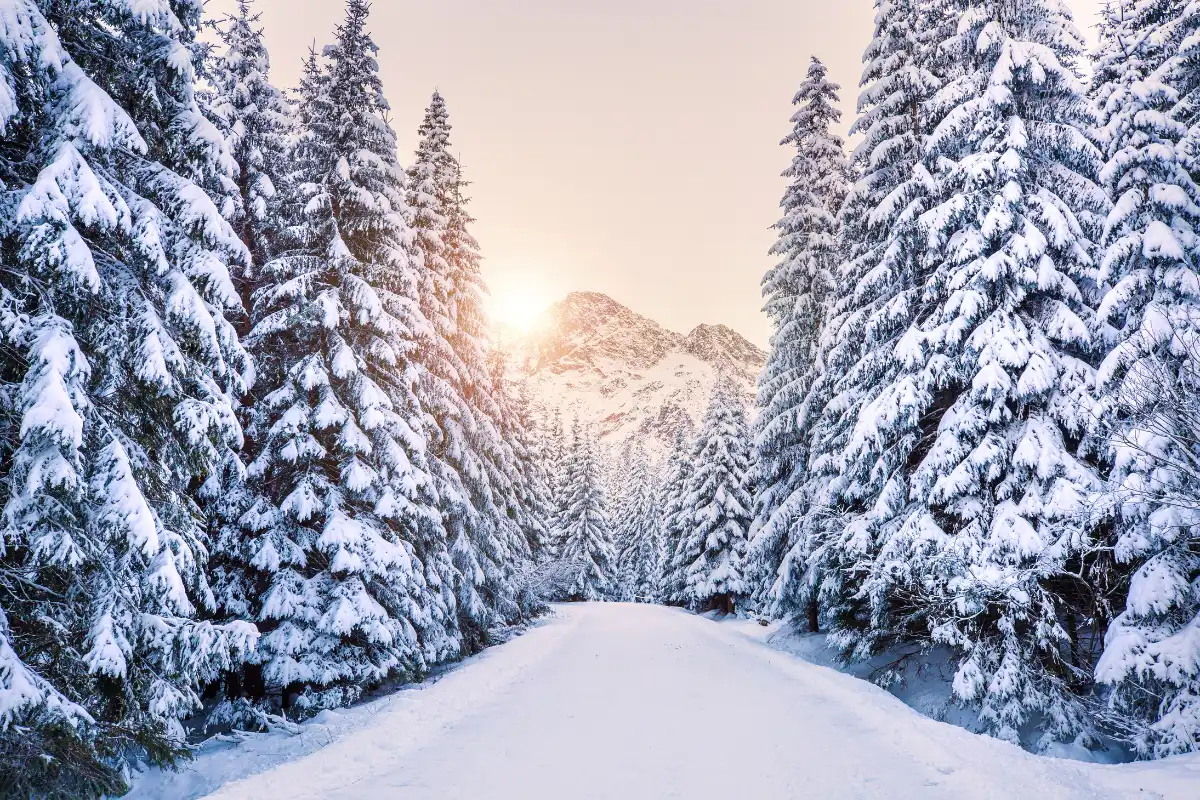
Snow turns Montenegro’s mountains into quiet, beautiful scenery. Places like Canyon of Tara, Crno jezero (Black lake), and Biogradska Gora are ideal for winter walks and landscape photography.
- Winter is perfect for slow travel
Without the crowds, you get to experience Montenegrin life and culture at a quieter, more relaxed pace. Take time to sit in a café overlooking the sea, talk to locals, and enjoy long walks.
Weather in Montenegro in Winter
Wondering if you should pack wool sweaters and winter boots? That depends. Montenegro has different weather conditions depending on the region.
Temperature ranges on average from about 2°C to 10°C (36°F–50°F).
Coastal destinations such as Kotor, Budva, and Herceg Novi enjoy a mild winter climate with average temperatures from 5°C to15°C.
In cities like Podgorica and Cetinje, expect frequent rain and occasional snow. The average temperatures range from 0°C to 10°C.
The North has a harsh winter with consistent snowfall and temperatures ranging from -10°C to 0°C.
What about taking a swim at the Adriatic see?
We wouldn’t recommend that, as the water temperature drops to 13°C.
Best Places to Visit in Montenegro in Winter
Žabljak and Durmitor
These are the top destinations for skiing, snowshoeing, and winter hiking. Black Lake and the surrounding mountains look especially magical under glistening snow.
Kotor
Check out the Kotor winter fest during December and January, or the Kotor Winter Carnival that takes place from 25. February until 5. March.
Budva old town
While summer is busy, winter reveals Budva’s historic and cultural side. Stroll the old town, enjoy cafés by the sea, and check out nearby viewpoints.
Biogradska Gora National Park
One of Europe’s last primeval forests is beautiful all year-round but especially peaceful in winter. Trees covered in snow and frozen lakes create a fairytale-like setting.
Podgorica
The capital of Montenegro is a great starting point for exploring the rest of the country, with its easy access to both the mountains and the coast. While in Podgorica, take advantage of its mild temperatures, lively café culture, and, of course, shopping.
Herceg Novi
Herceg Novi is great for seaside walks and wellness-focused stays. If you visit Herceg Novi at the end of February, don’t miss the famous Mimosa festival.
Montenegro Winter Activities
There isn’t a dull moment in Montenegro during the winter season. These are some of the activities you can try out:
- Skiing and snowboarding – Resorts in Kolašin and Žabljak offer scenic slopes, reliable snow conditions, and options for both beginners and experienced skiers and snowboarders.
- Snowshoeing – Mountains offer excellent conditions for snowshoeing, including the unique experience of night snowshoeing. You can rent snowshoes at centers in Durmitor and Prokletije National Parks, or at ski resorts such as Vučje, Savin Kuk, and Kolašin.
- Nordic skiing – 800 meters from Žabljak’s town center, a marked cross-country skiing trail begins. The route itself is easy and winds through a forest belt.
- Winter hiking in national parks like Durmitor and Bjelasica can be memorable. You’ll enjoy trails covered in snow, frozen lakes, and quiet landscapes.
- Winter rafting – True adrenaline adventurers can try out winter rafting on the Tara River and the famous Suze Evrope (Tears of Europe) rapids.
- Exploring the old towns – Not a fan of winter sports? No worries. Places like Kotor, Budva, and Herceg Novi offer a more authentic experience without the summer crowds. Cooler temperatures make sightseeing comfortable and ideal for slow exploration.
- Relaxing in spa and wellness hotels – If you want to spend winter holidays relaxing, choose among many hotels in Kotor, Budva, Podgorica, Kolašin, and Žabljak that offer wellness centers with indoor pools and saunas.
Driving in Montenegro During Winter
Driving in Montenegro has many advantages over public transport. Renting a car is a convenient option, as it is more affordable than in many European countries.
Driving conditions are generally good, even in winter. Roads are well-maintained, and traffic is lighter compared to the busy summer season.
In urban areas, the speed limit is 50 km/h, while on open roads it is up to 80 km/h. You can fuel the car in every town and village along the main roads.
We remind you to always check road conditions and make sure your vehicle is equipped with winter tires. They are mandatory in Montenegro during the winter.
Is Winter the Right Time for Montenegro?
Winter is one of the best times to experience Montenegro free from crowds and high prices.
From snowy mountain adventures to peaceful coastal walks, the country offers an incredible variety.
Add the freedom of a rental car, and you can experience Montenegro at your own pace, discovering scenic drives and winter landscapes that many travelers never get to see.